
Animation Stills
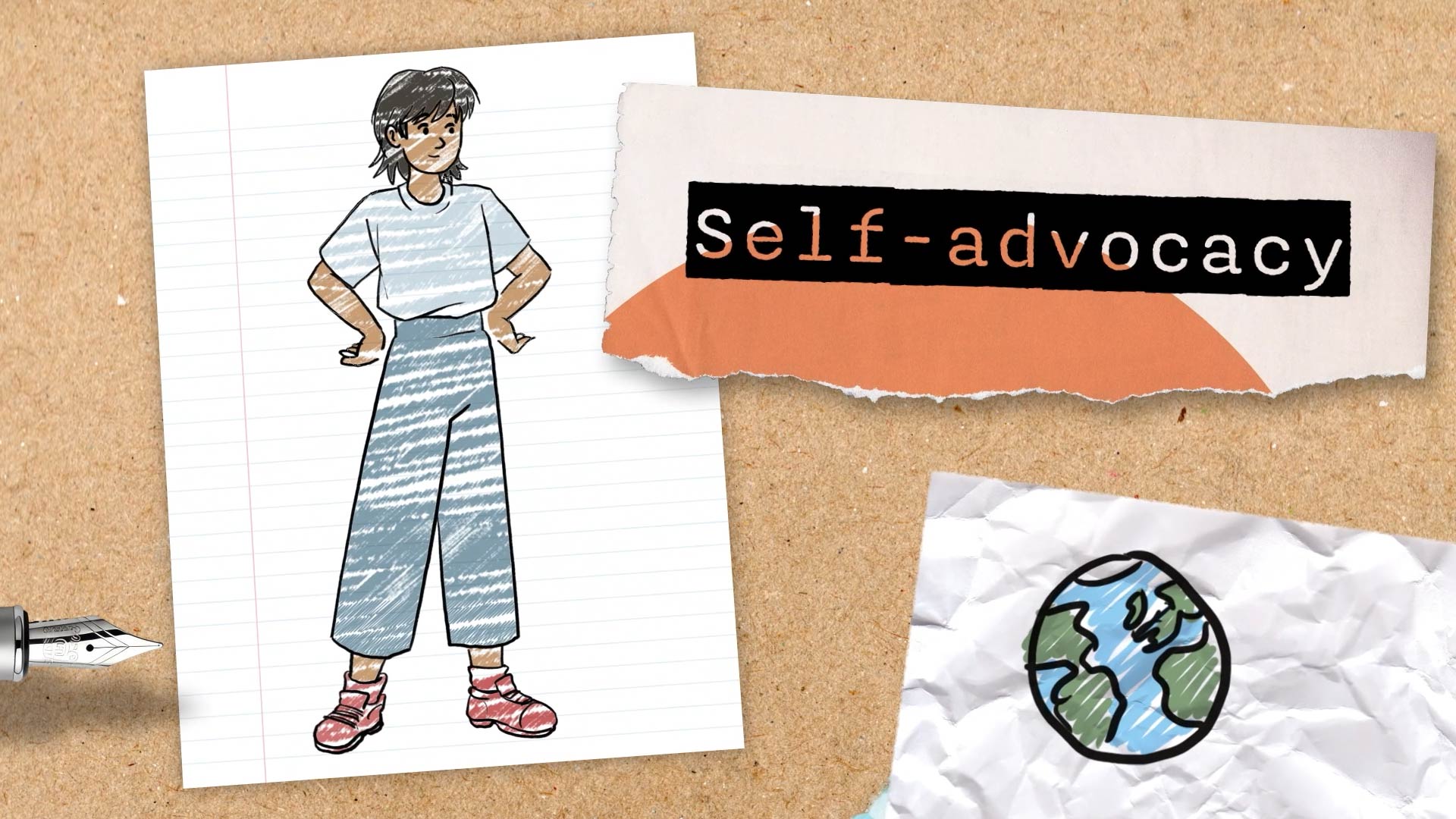
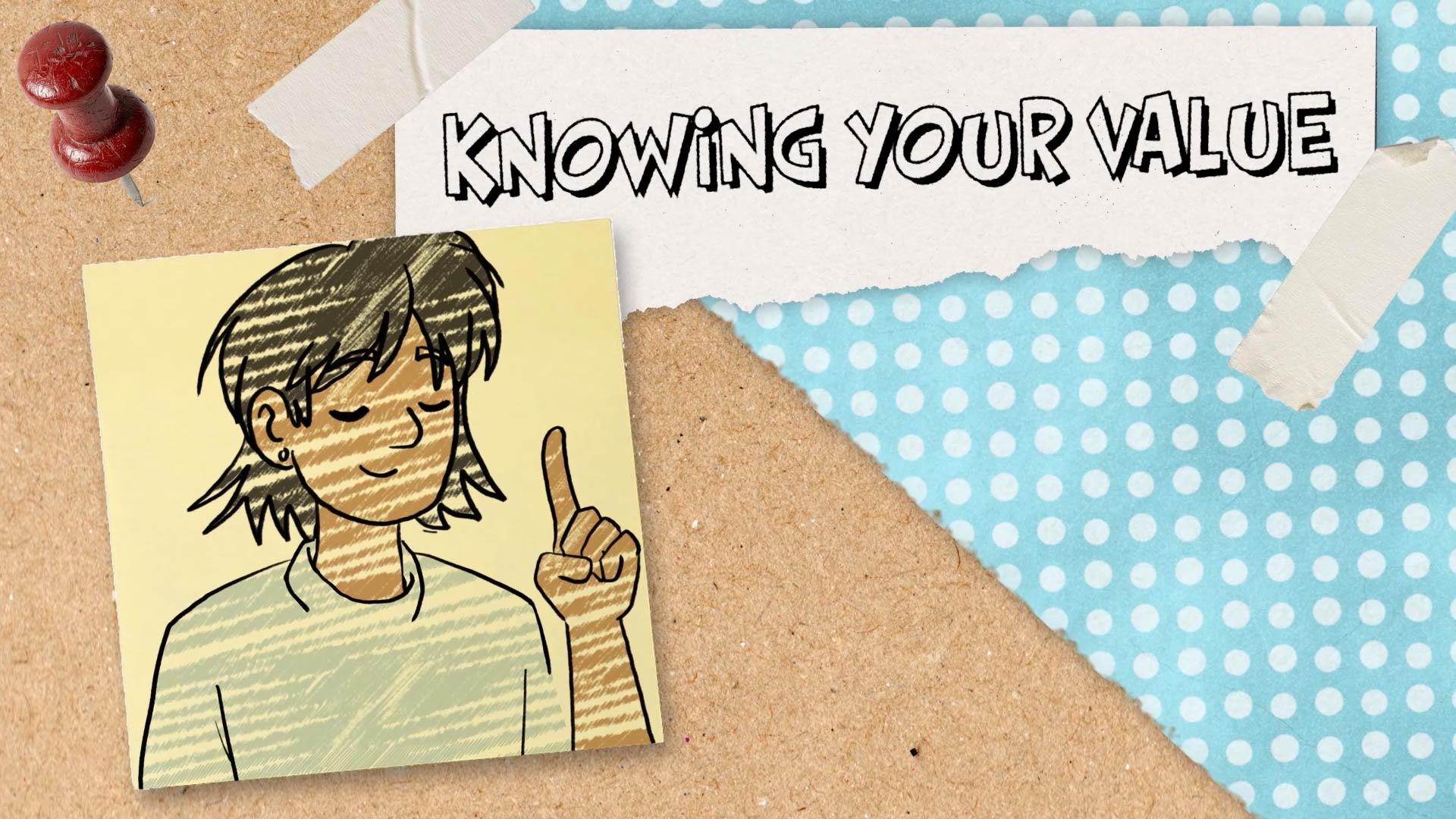
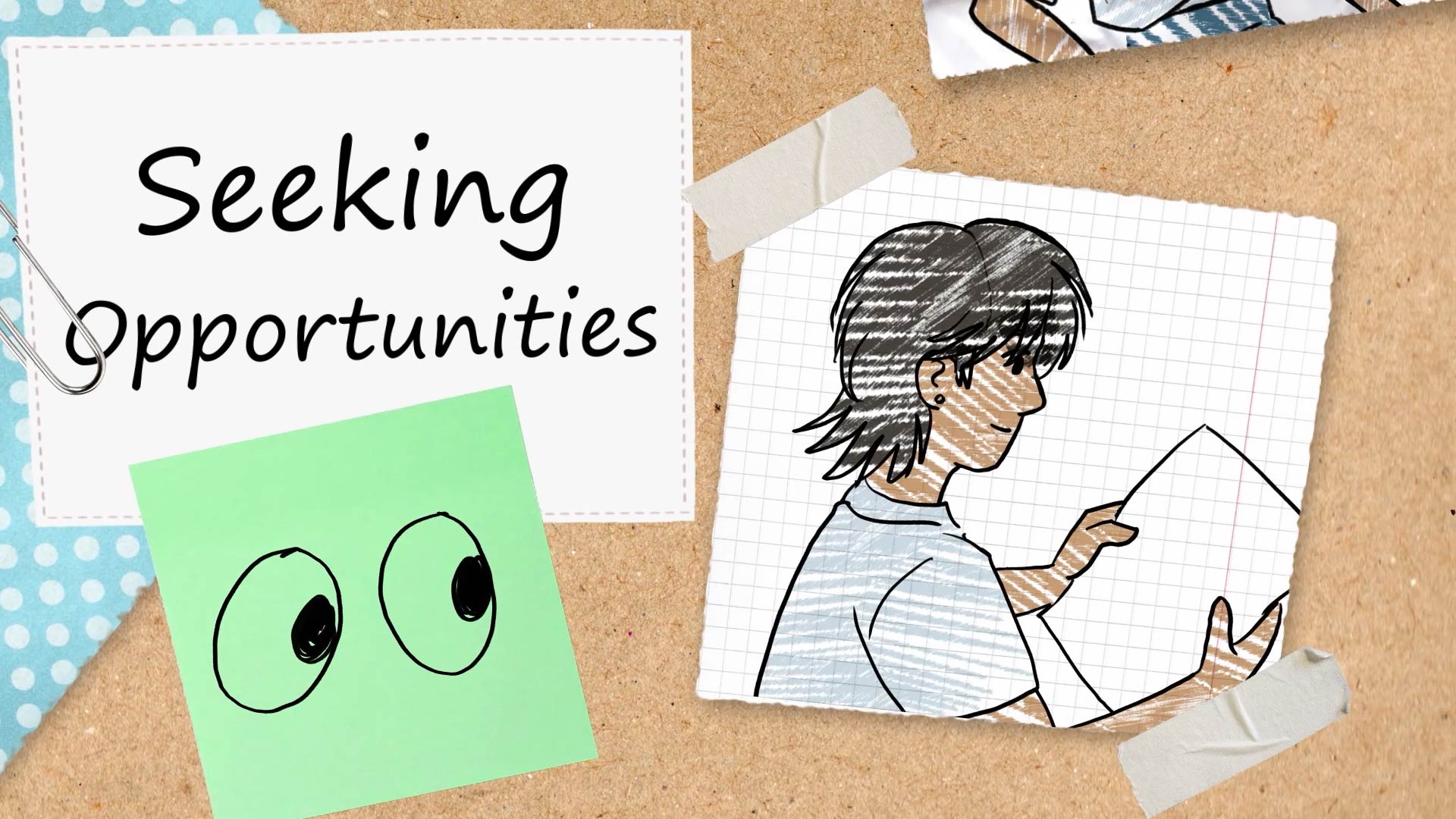
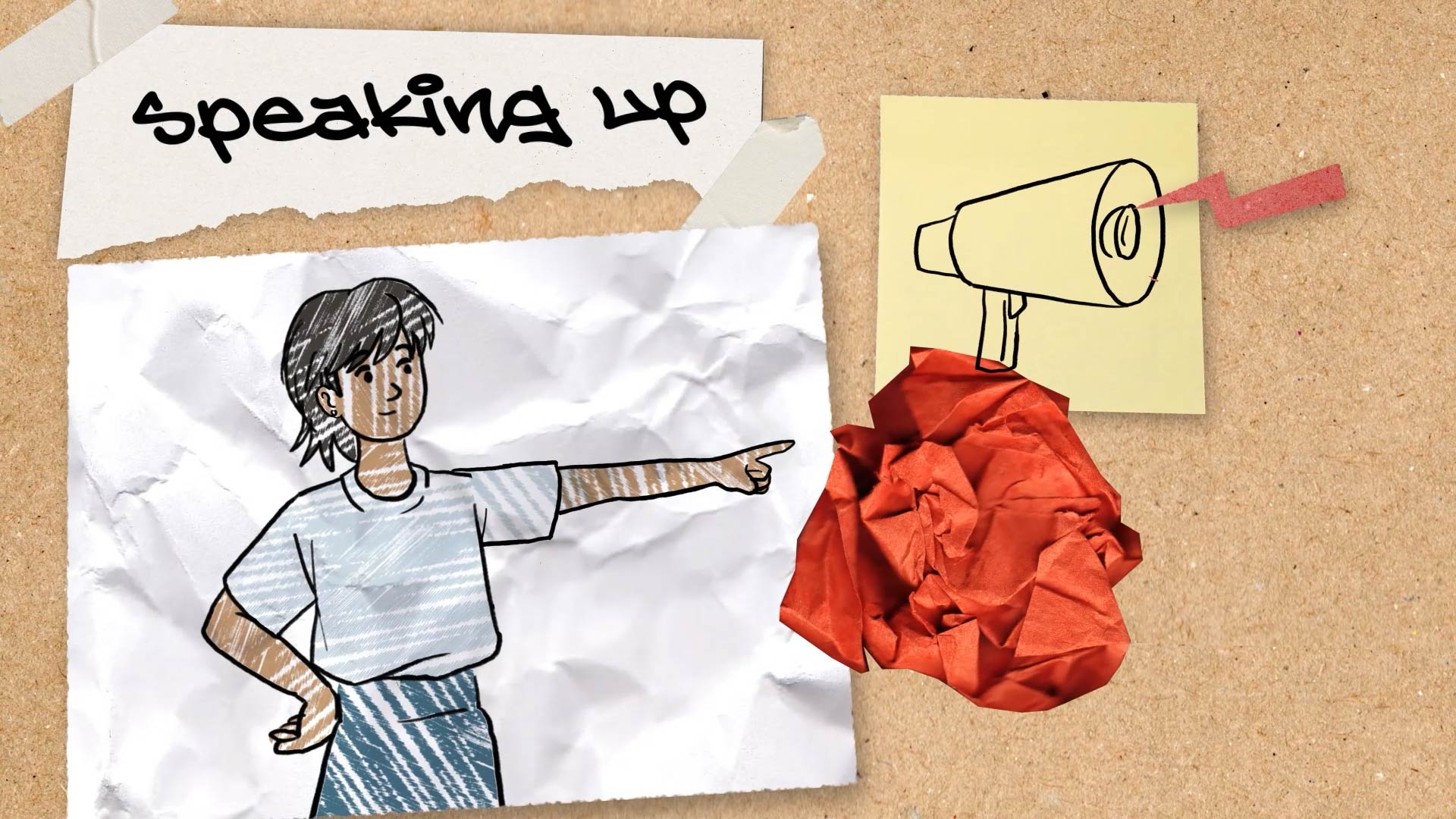
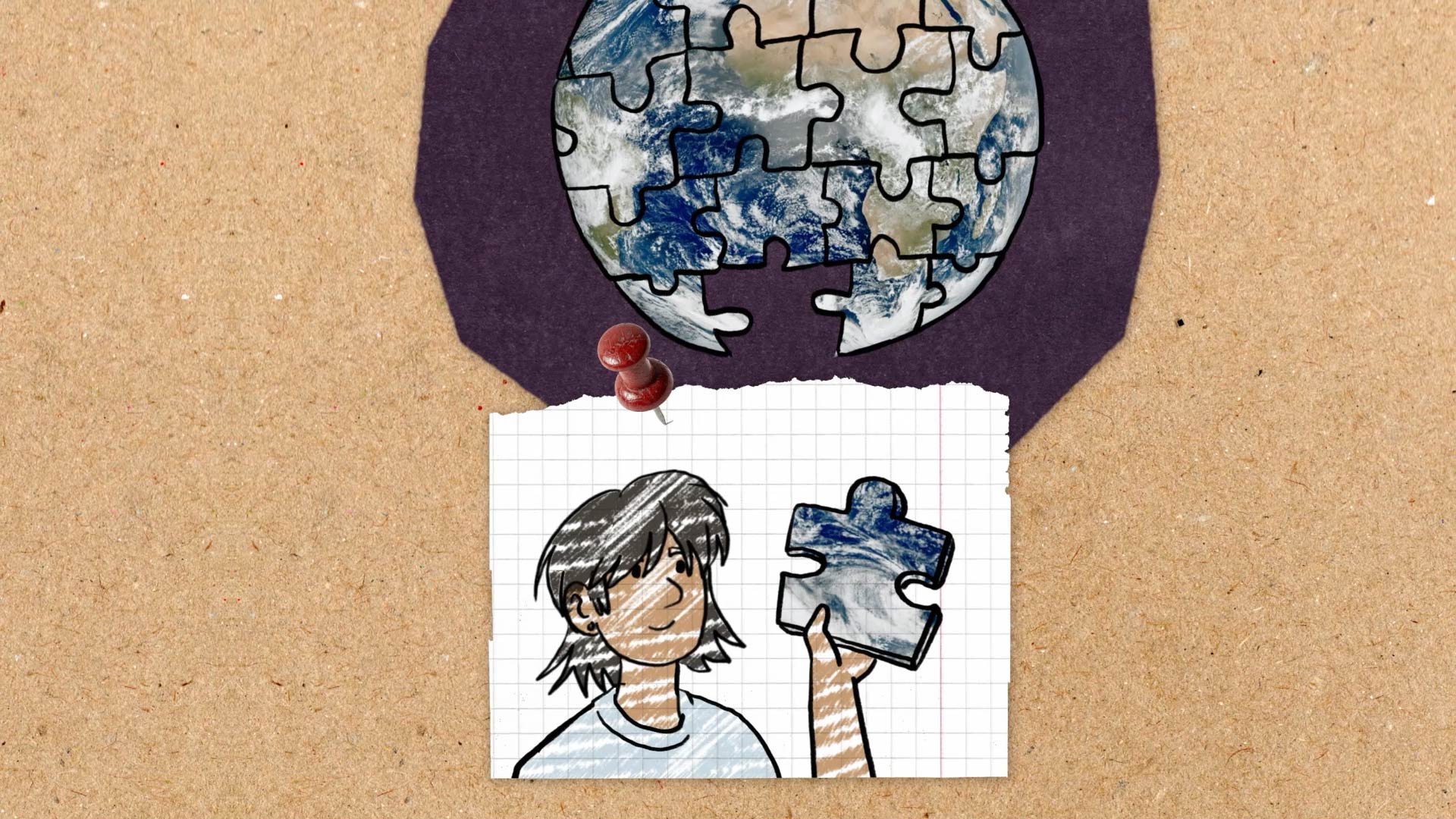
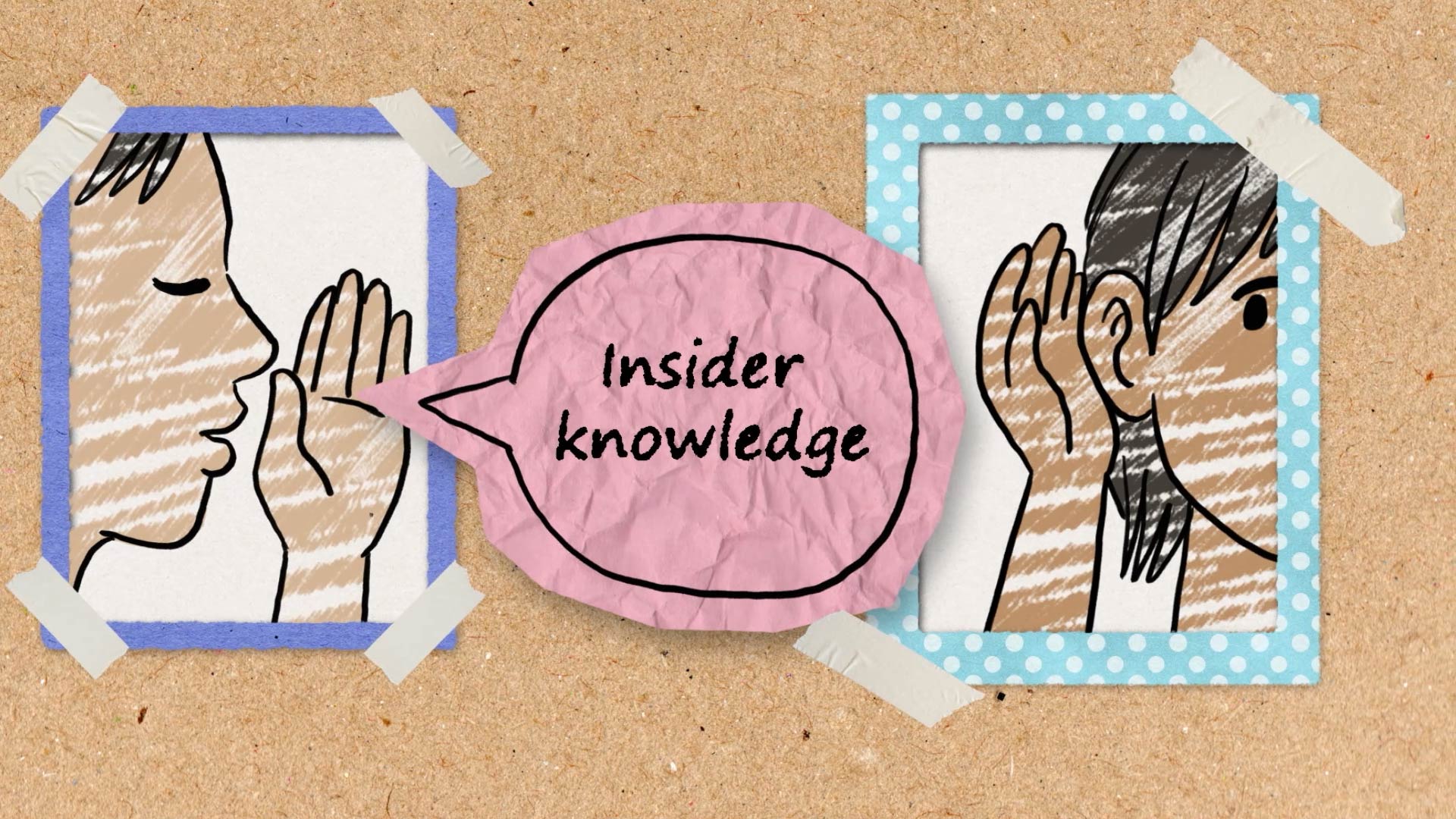
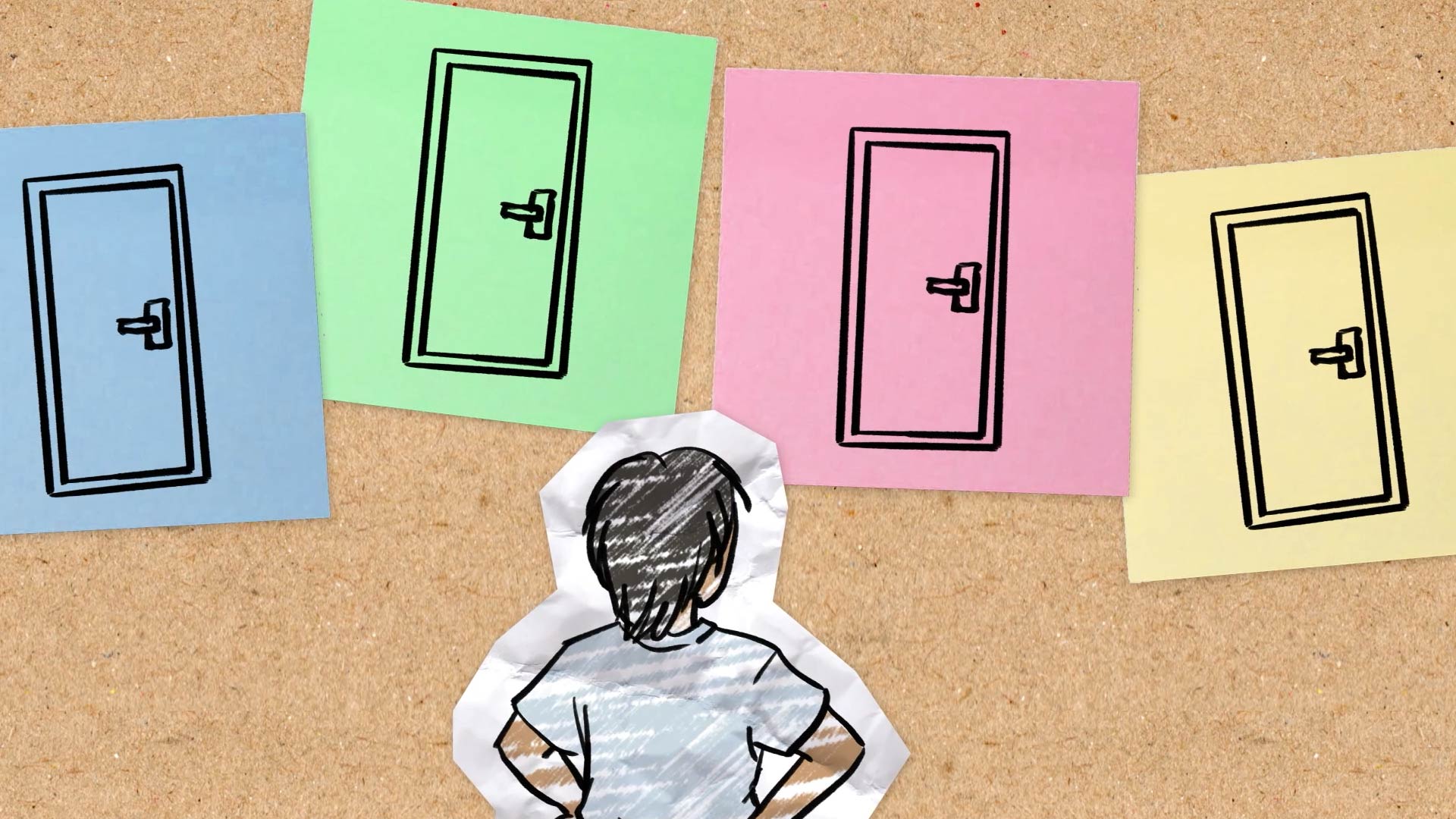
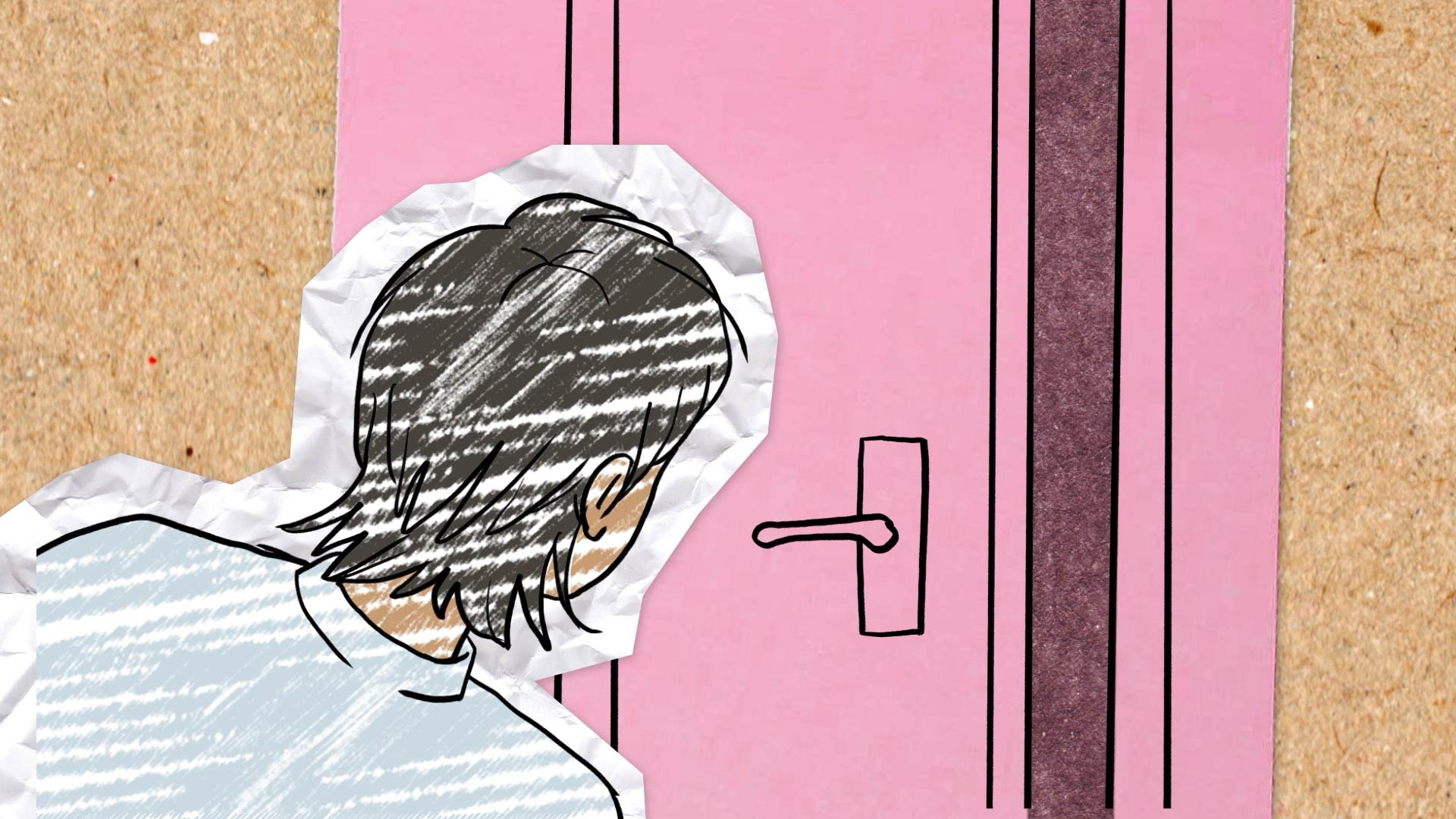
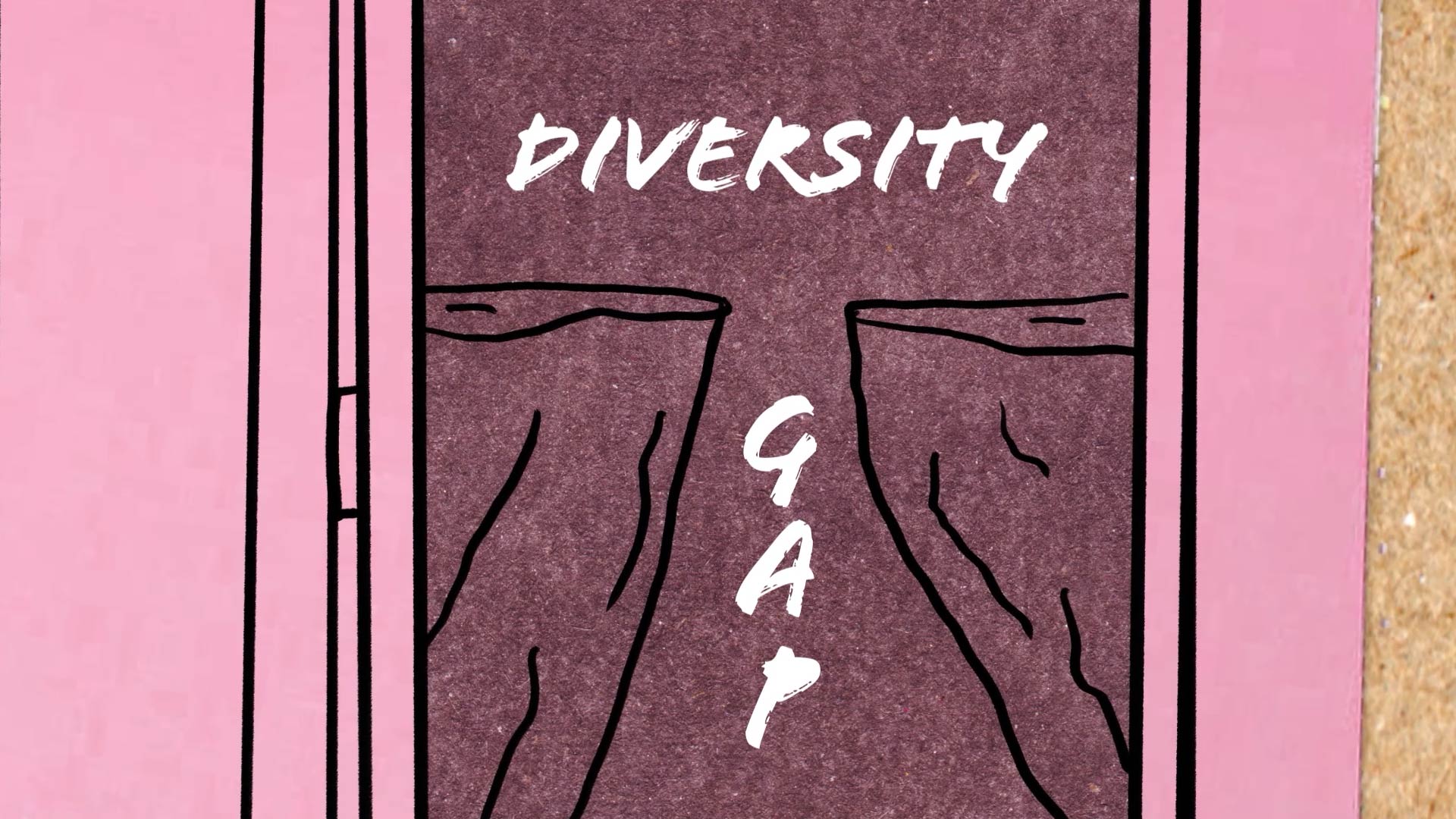
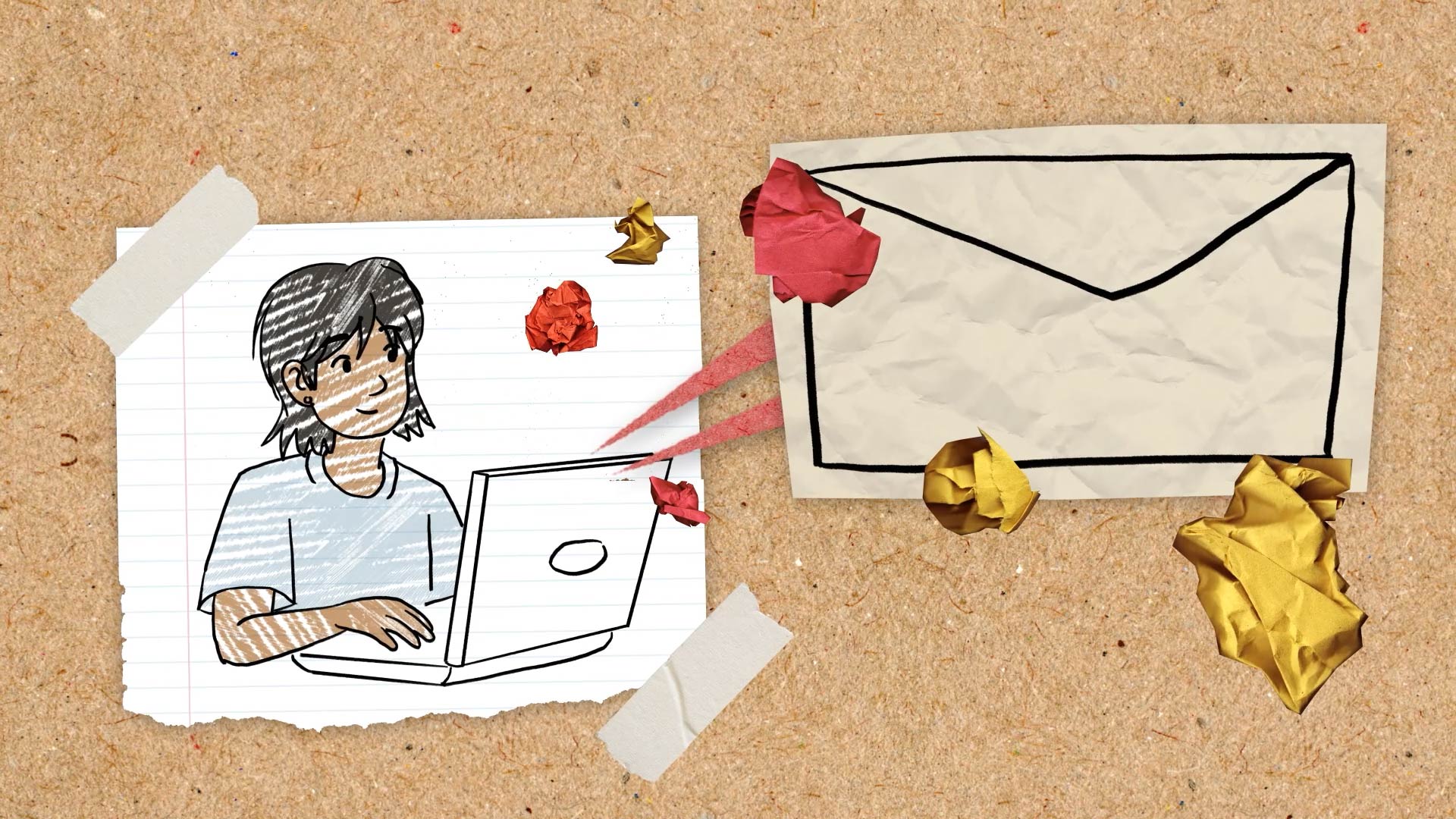

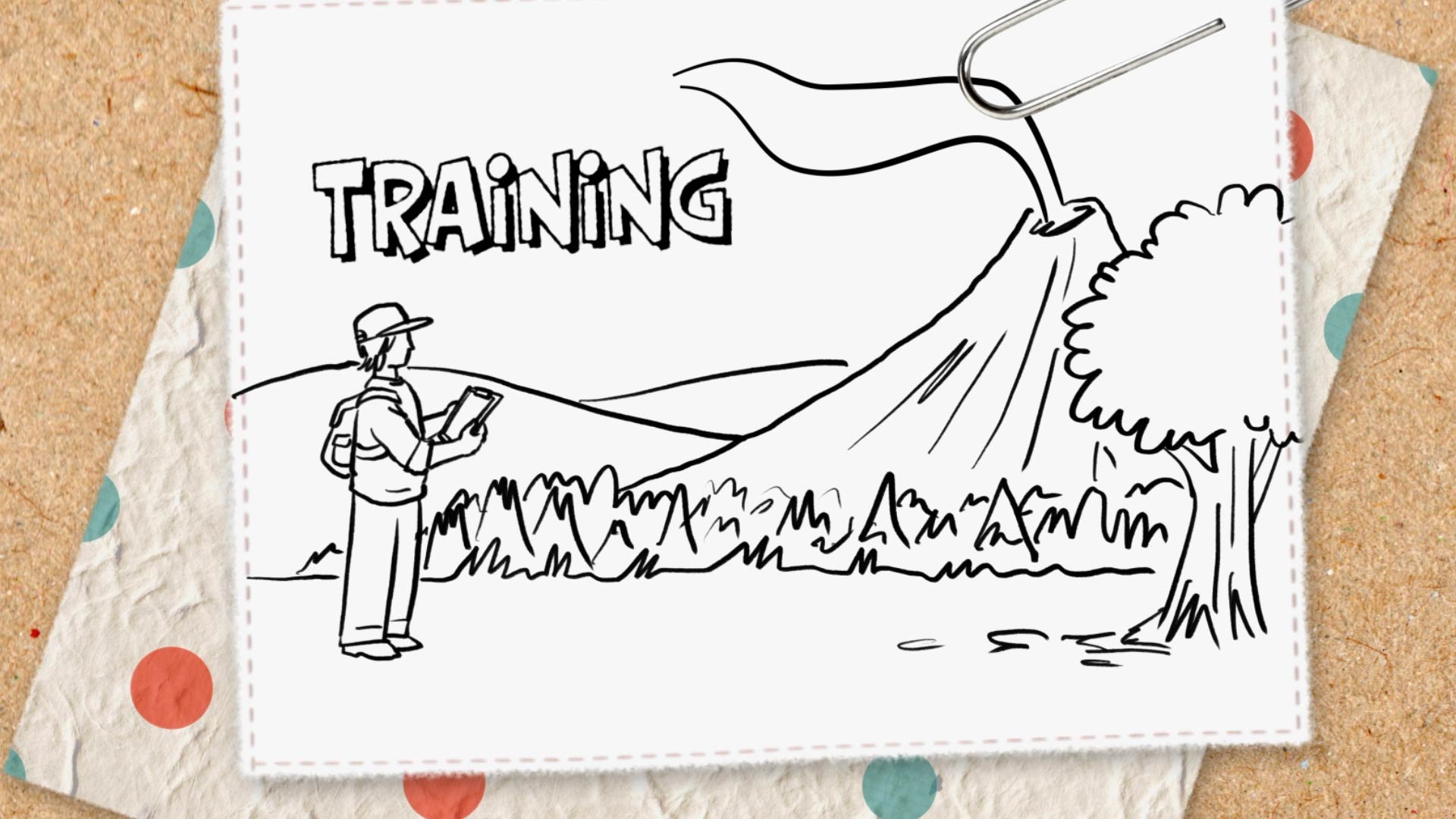
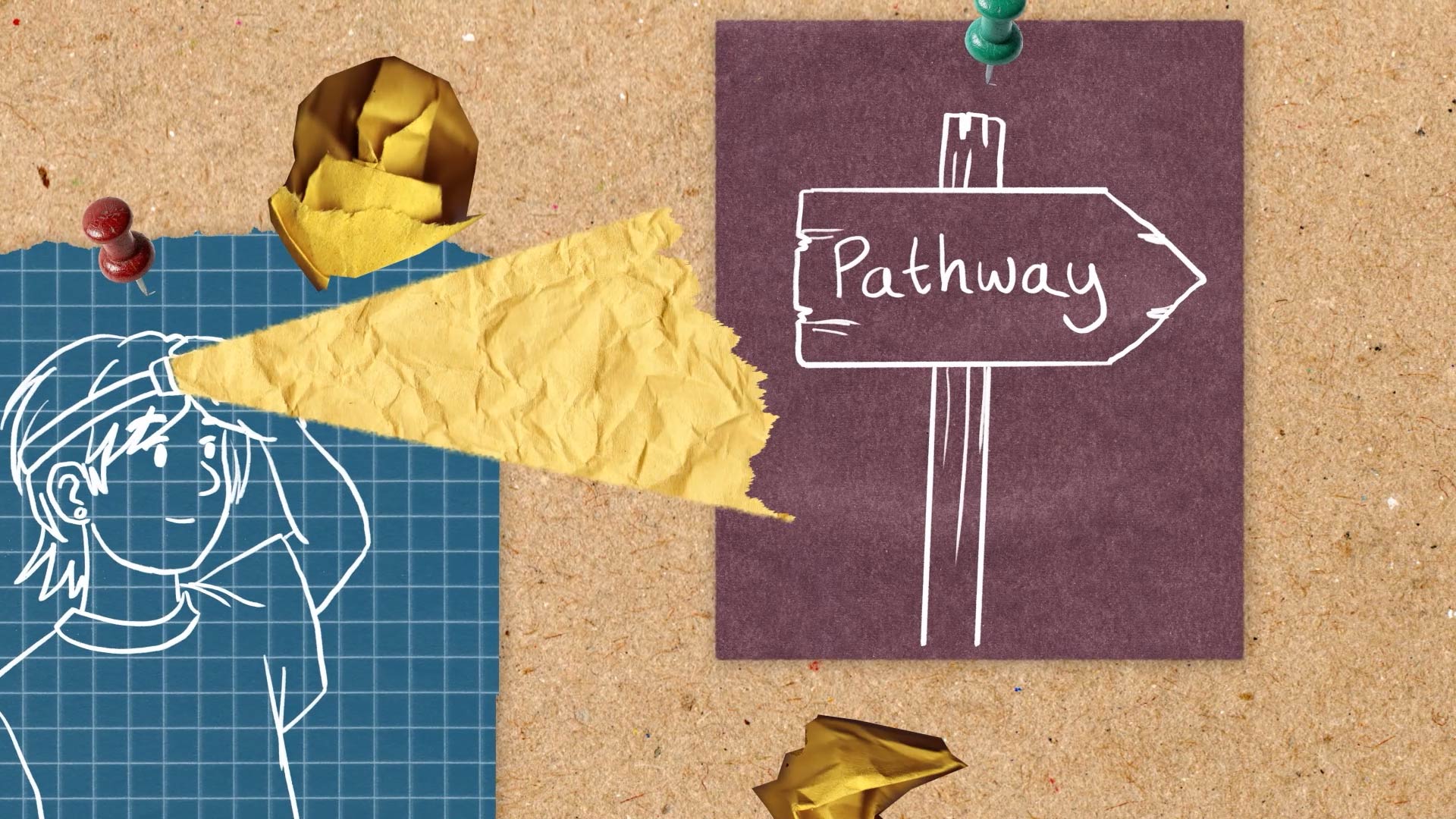
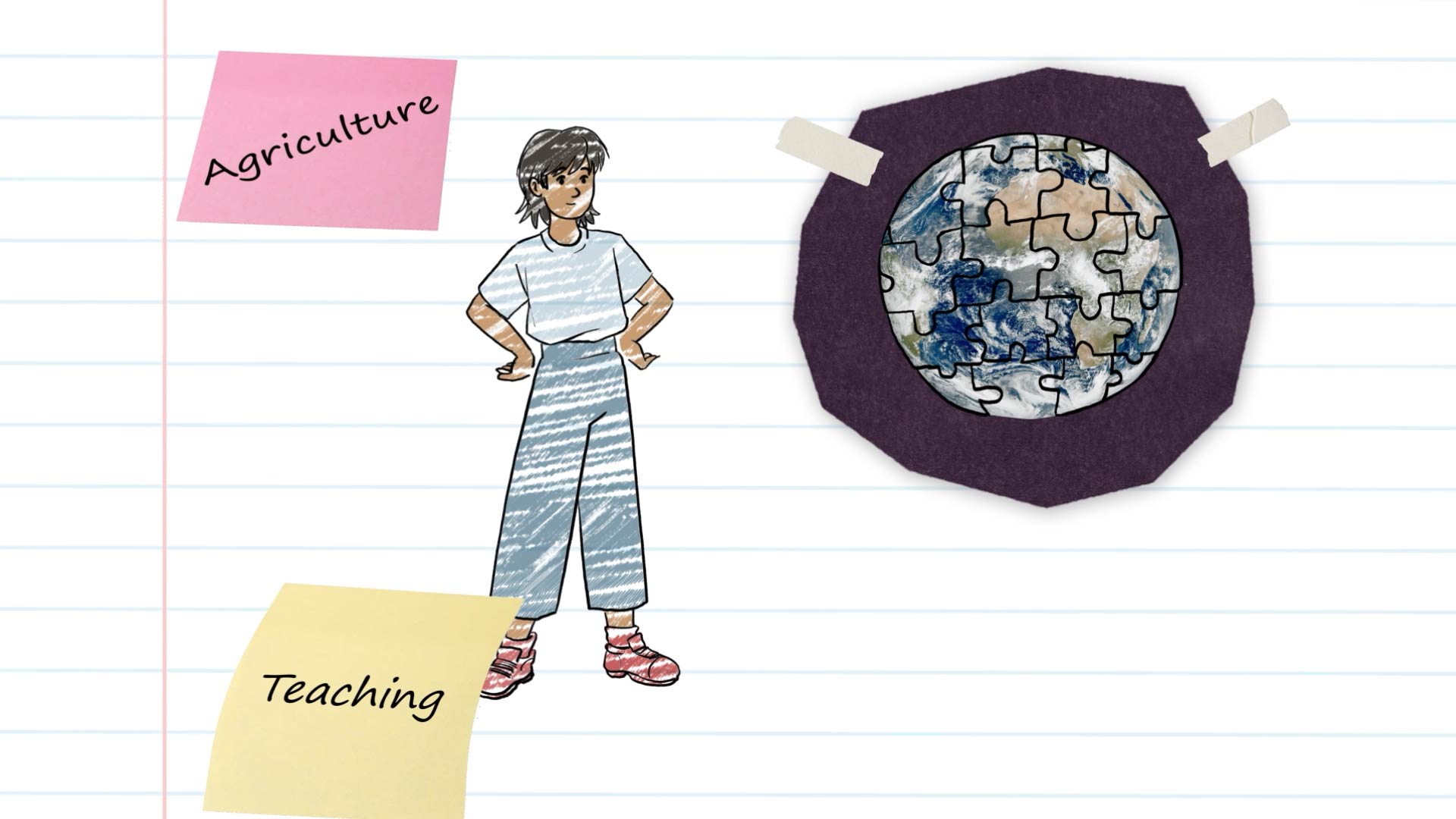
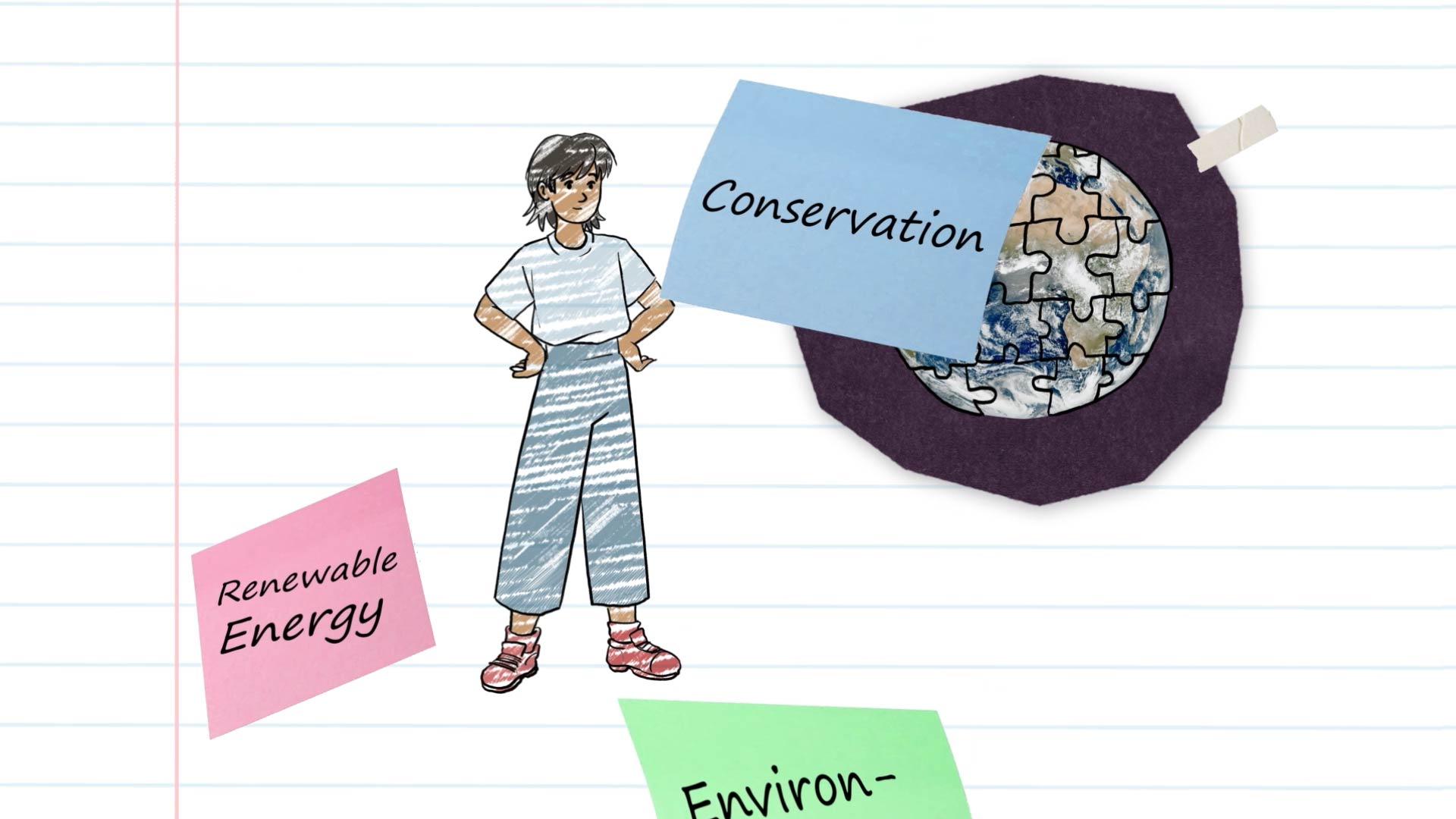
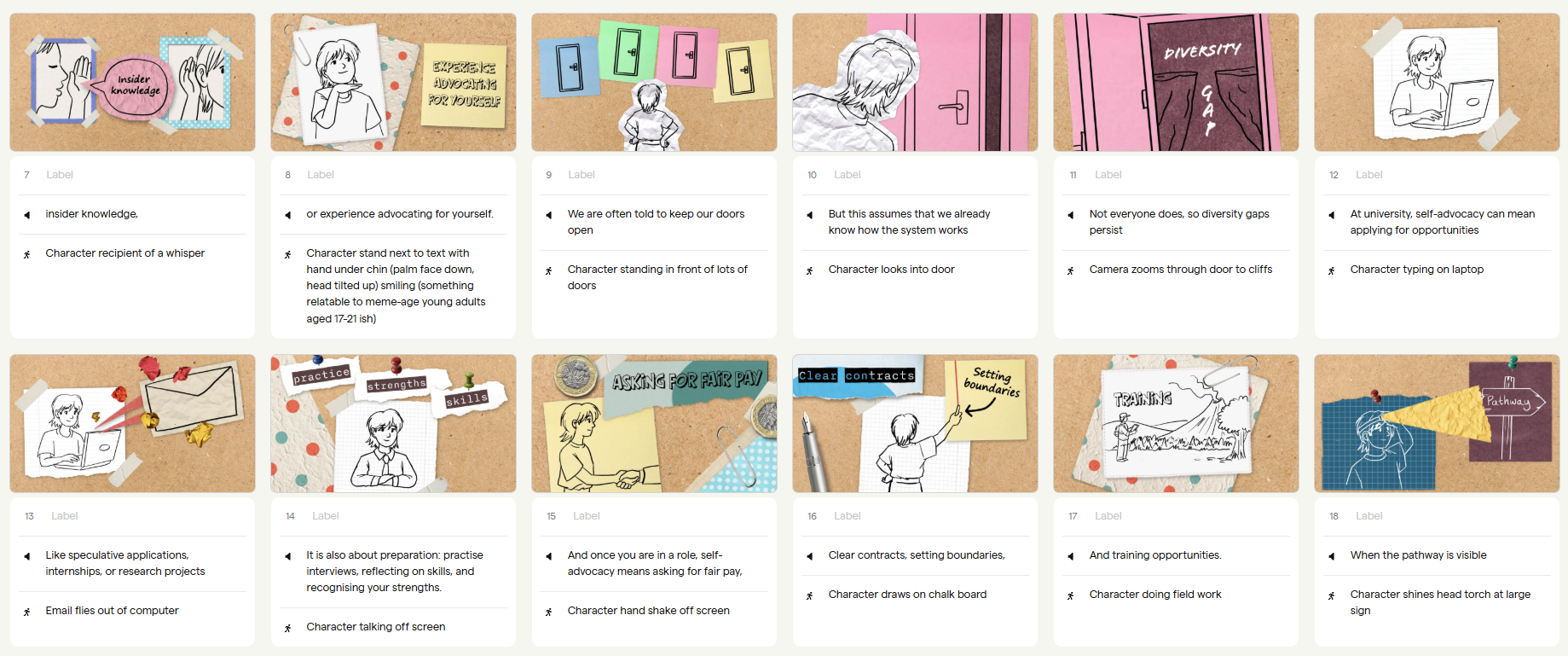
Breaking into the environmental sector without connections or insider knowledge can feel like trying to solve a puzzle with half the pieces missing. Students are often told to "keep their doors open," but that advice assumes they already understand how the system works — and not everyone does. This gap in unspoken knowledge is one of the quiet drivers of the diversity gaps that persist across environmental careers.
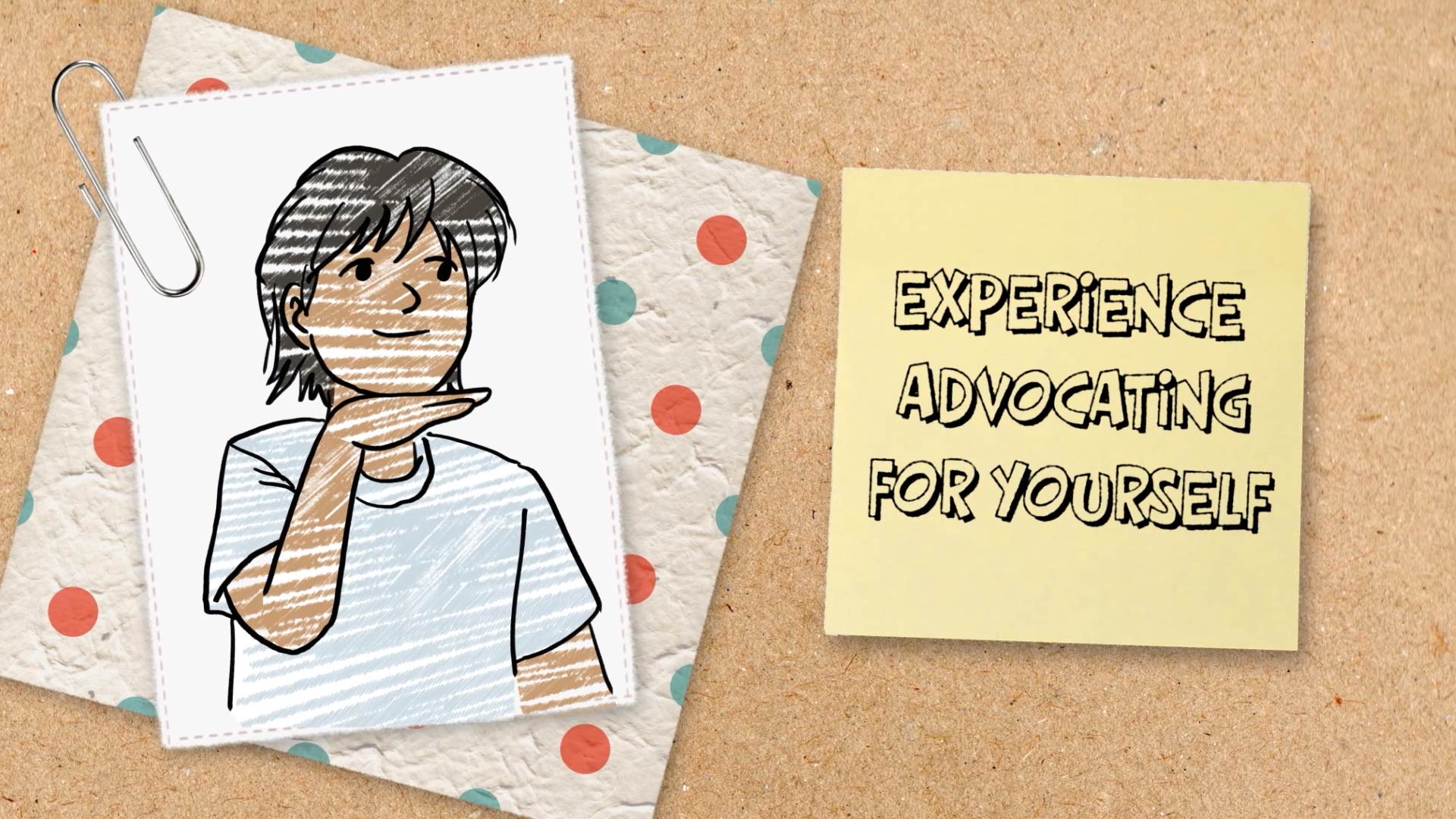
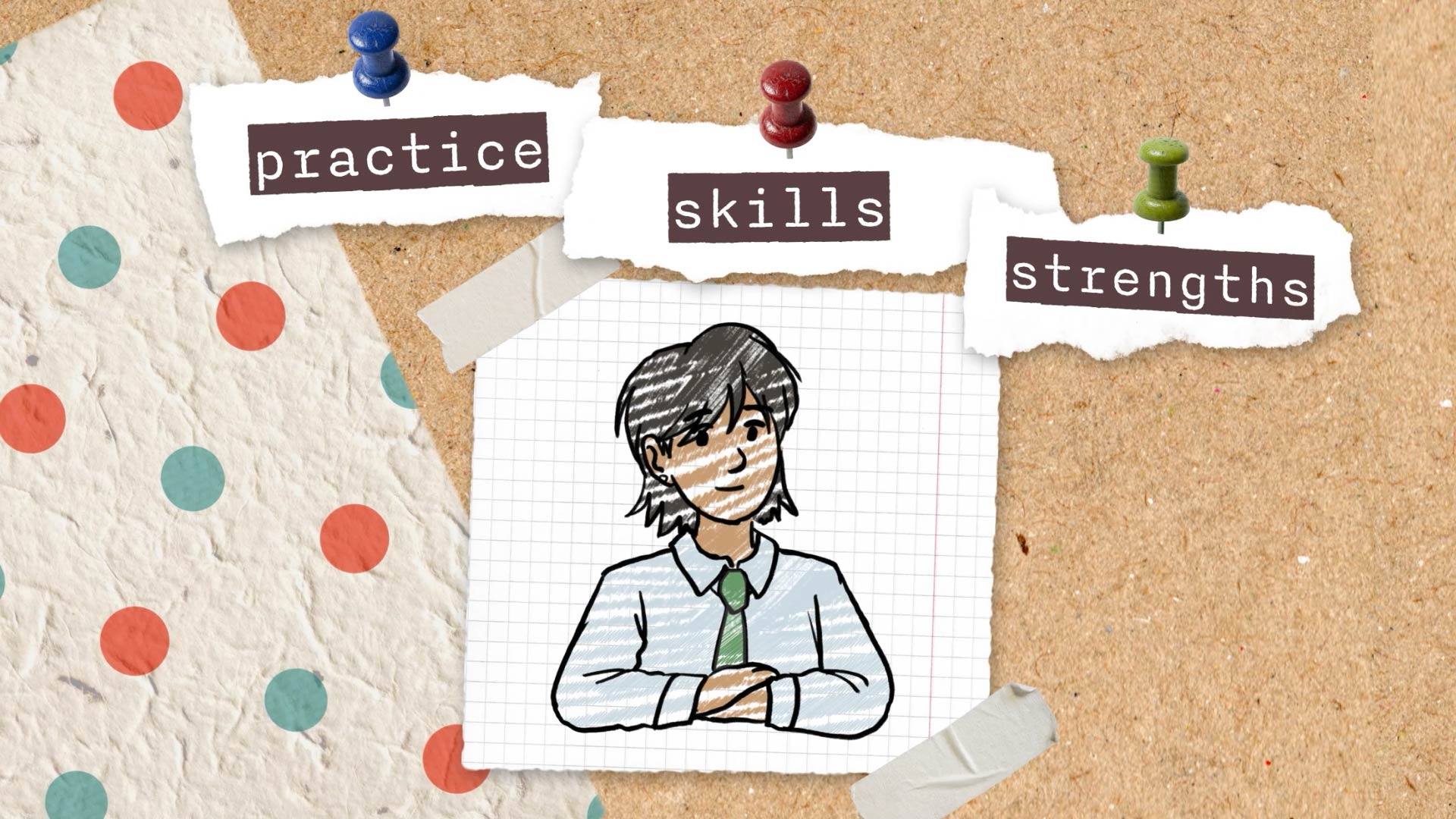
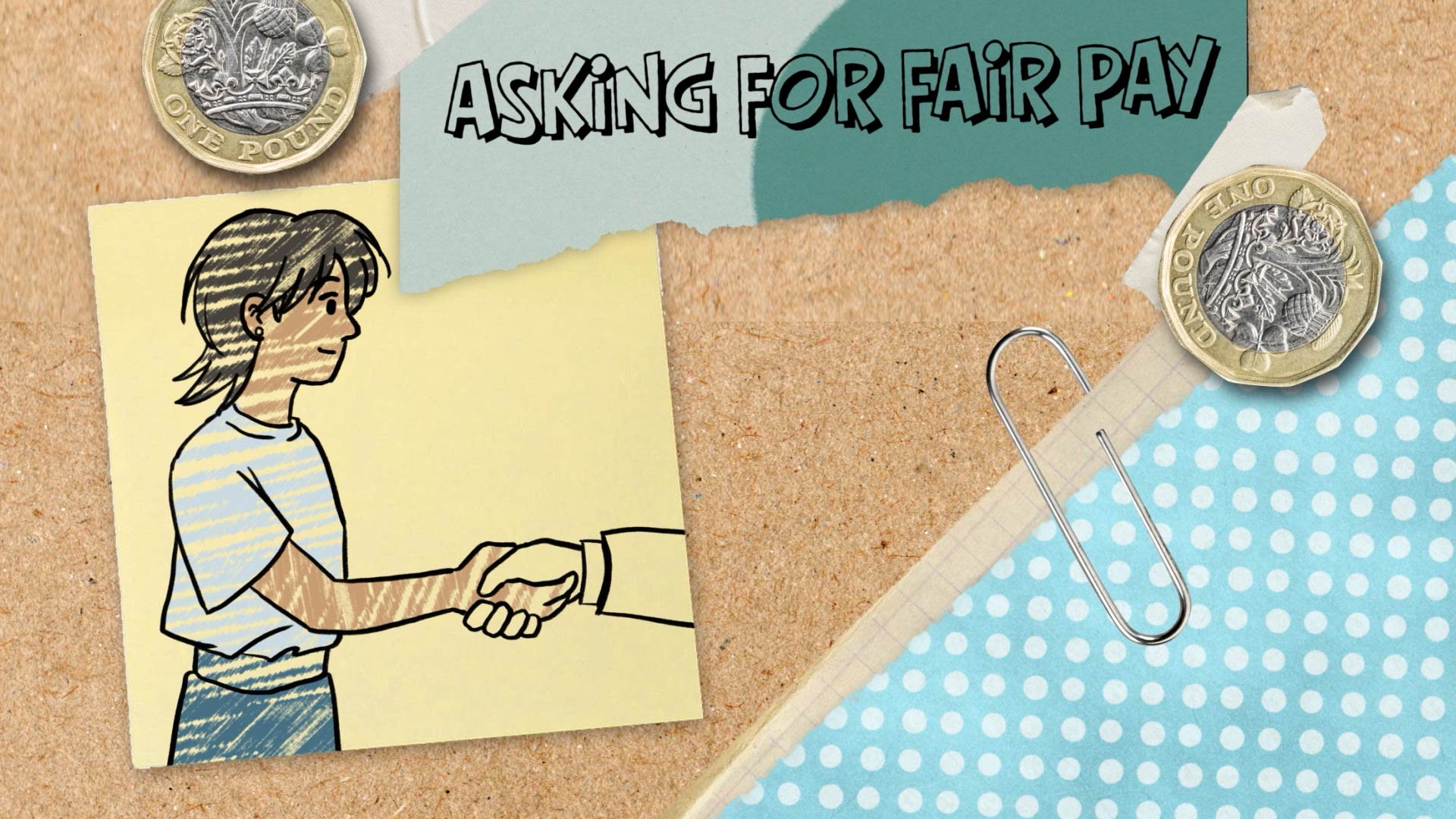
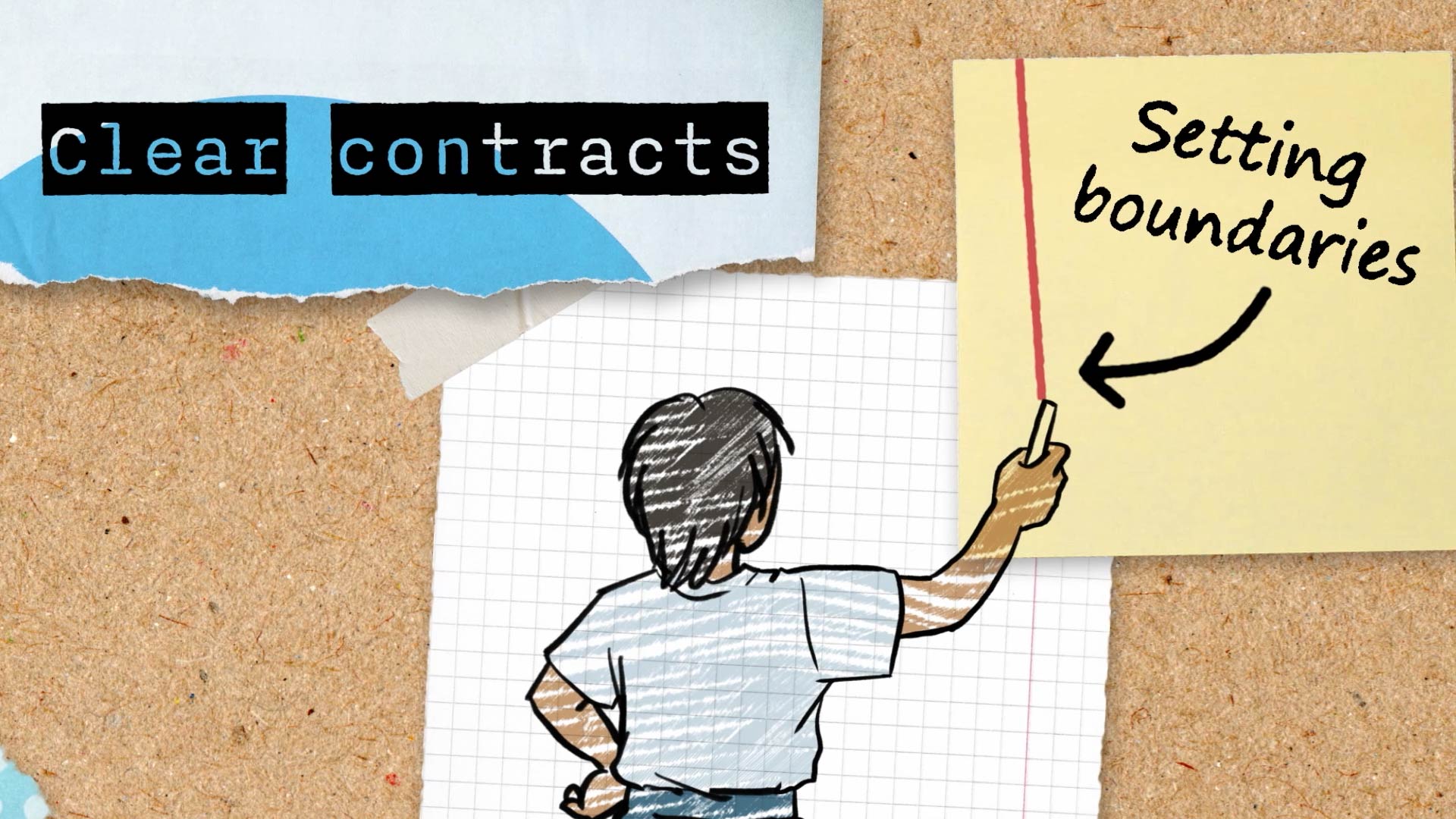
Lancaster Environment Centre commissioned this animation to close that gap directly, giving students clear, practical self-advocacy skills: how to seek out speculative applications, internships and research projects; how to approach professionals to learn about their experience; how to prepare properly for interviews and recognise their own strengths; and, once in work, how to negotiate fair pay, clear contracts, boundaries and training opportunities.
Production Process
Script & Style Designs
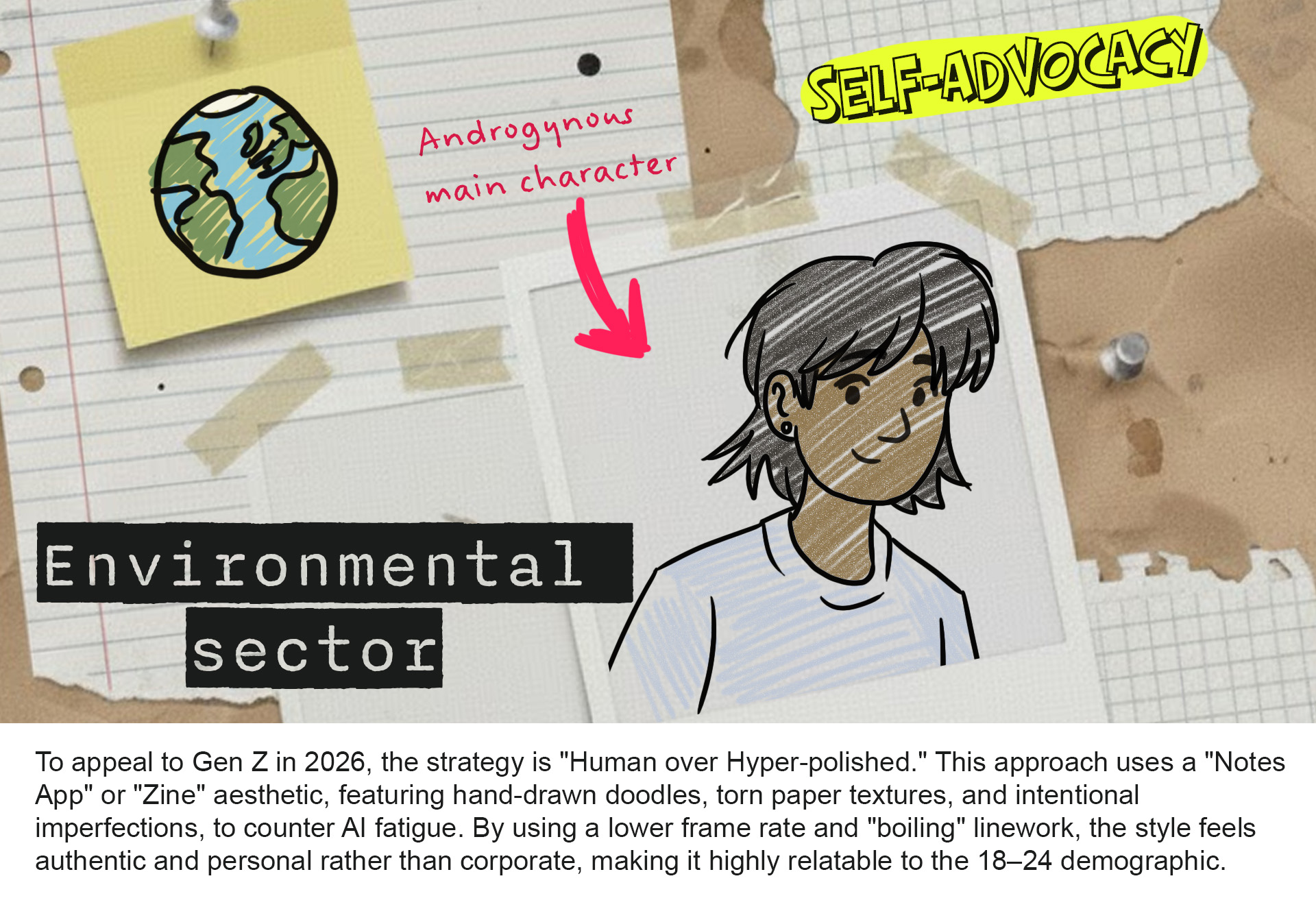
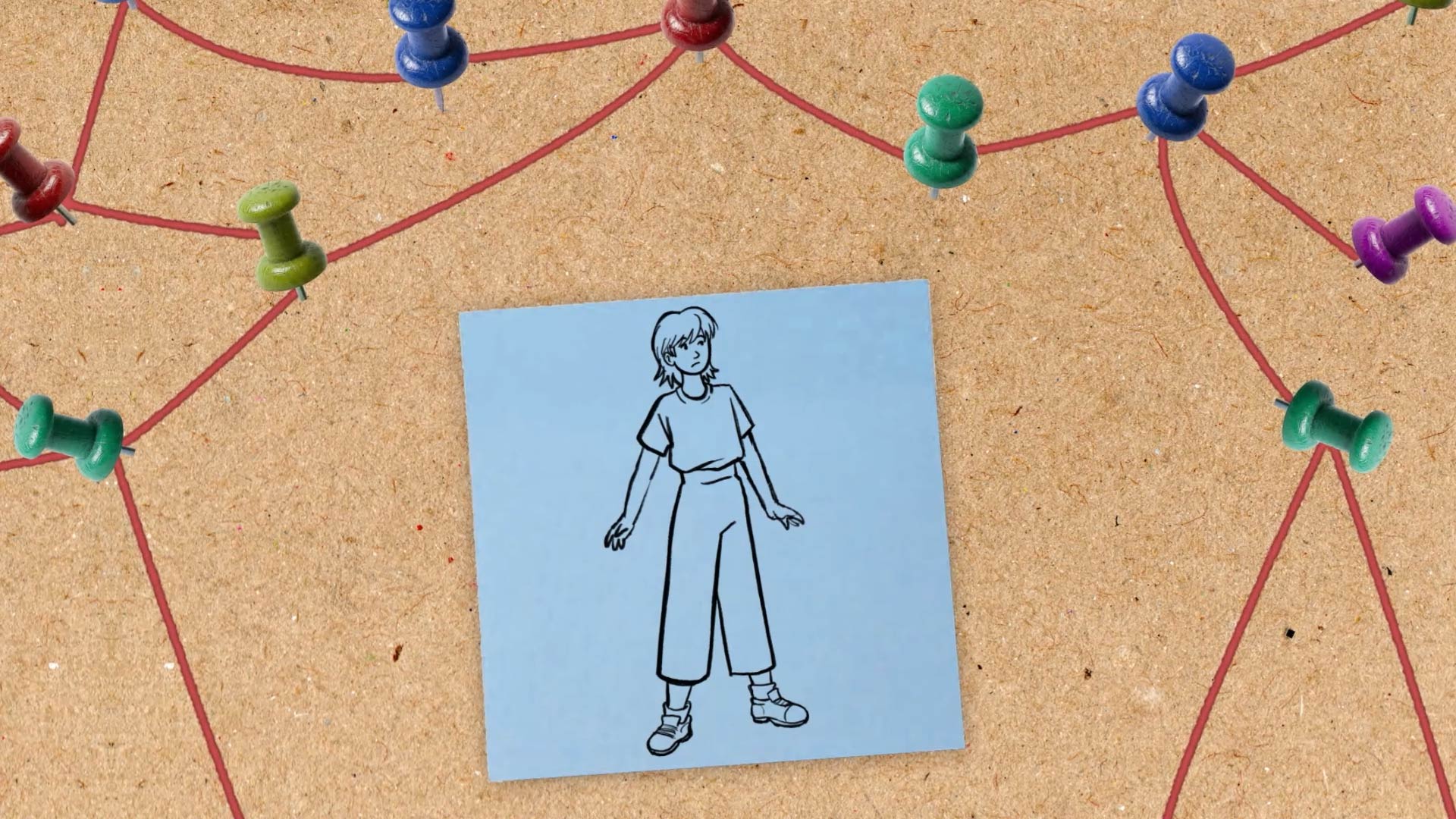
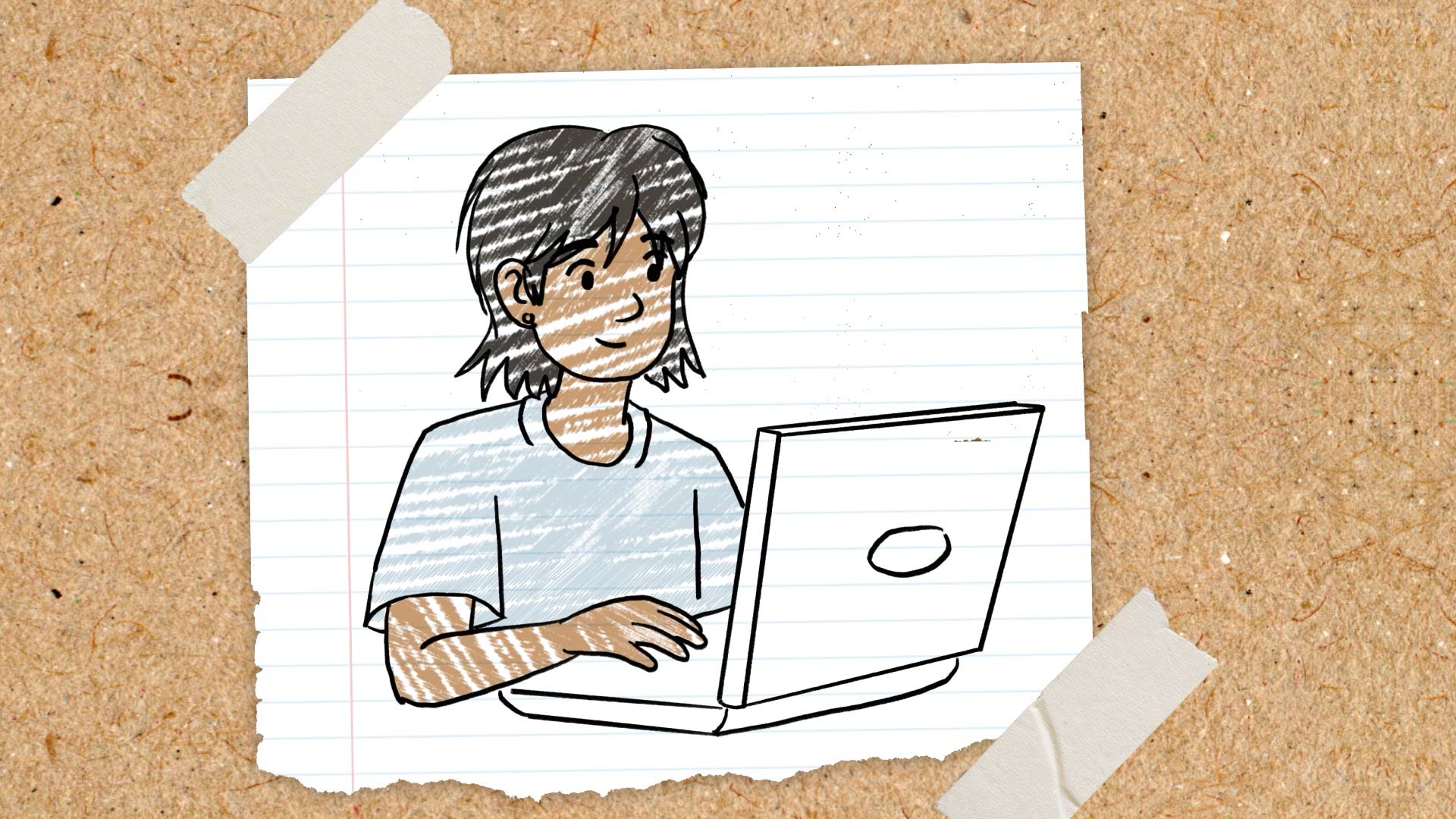
The style concept takes a "human over hyper-polished" approach, built around a notes-app and zine-style aesthetic: hand-drawn doodles, torn paper and notebook textures, and intentional imperfections that push back against slick, AI-generated visuals. An androgynous main character anchors the story, drawn with a lower frame rate and loose linework so the animation feels personal and authentic rather than corporate. It is a style designed to resonate with an 18–24, Gen Z audience while staying achievable within budget.
The client supplied the script, which Mair Perkins adapted for animation at no extra cost. Two style concepts were designed to show how the final animation could look within budget, with one selected and refined ahead of storyboarding.
Sketched Storyboards & Animatic Video
A storyboard was sketched based on the script and tested as an animatic video to check timing against the voiceover pacing. Script and storyboard revisions were made at this stage, before anything was signed off.
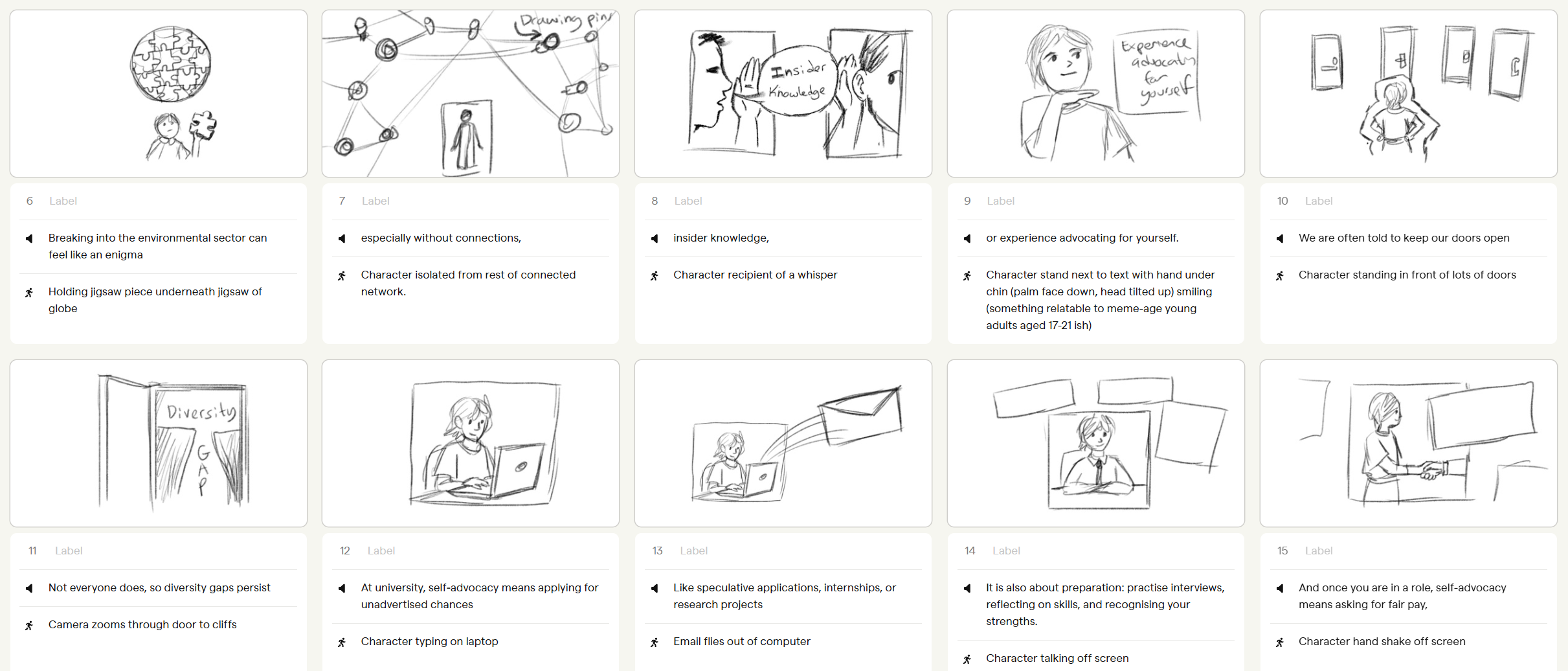
Illustrated Storyboards
Once the sketched storyboards and style concept were approved, each scene was illustrated in the signed-off style and built into an updated boardomatic. This is also the point at which the voiceover was recorded.
Animation & Music
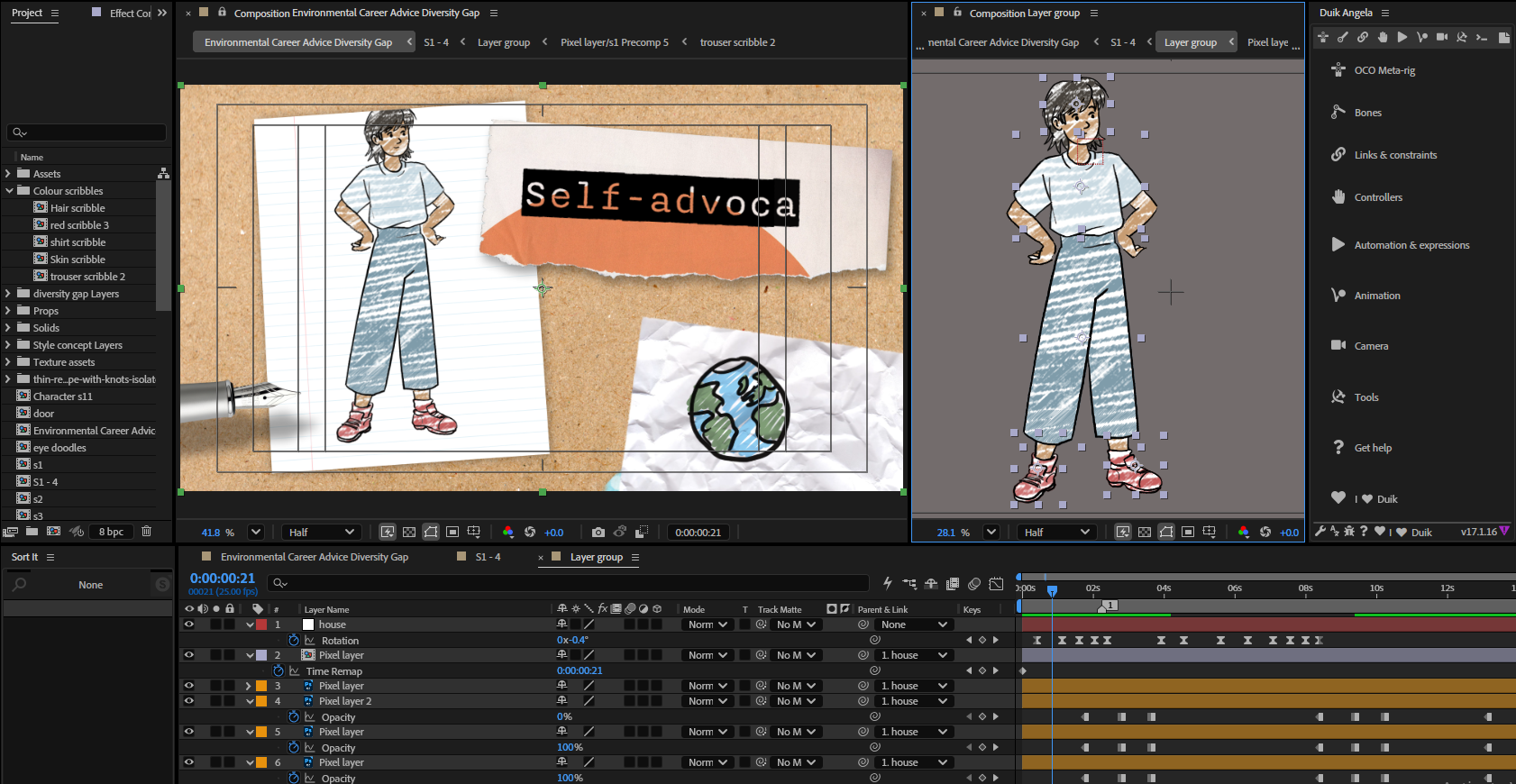
With the illustrated storyboard signed off, full animation production began, bringing the self-advocacy messages to life scene by scene.
At this point a scribble effects mimicking coloured pencil and stop motion animation as applied to the character.
Edits & Delivery
Final revisions were made and the chosen music track mixed with the voiceover, before delivery of the finished video and a folder of JPEG stills via digital download.