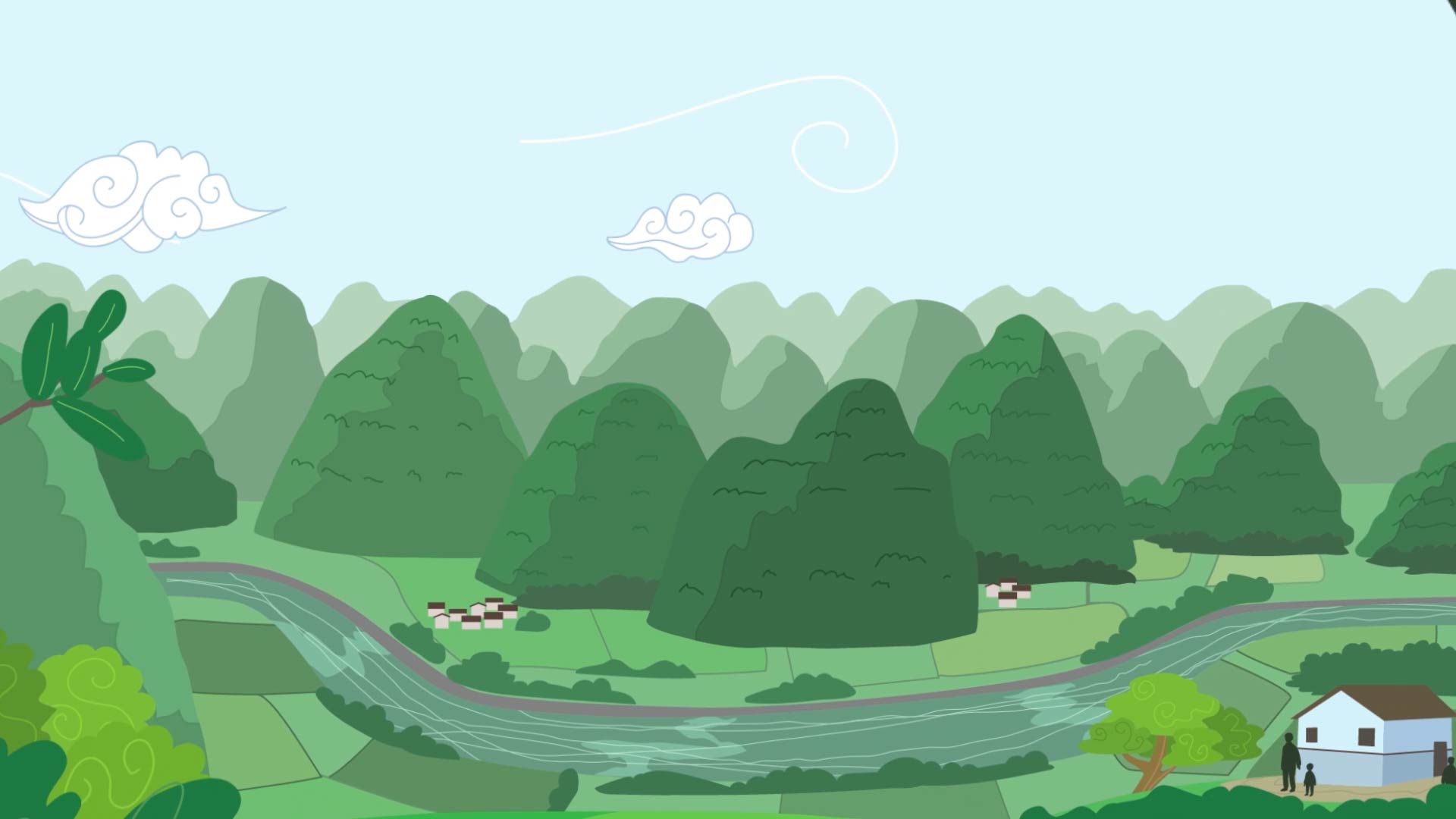
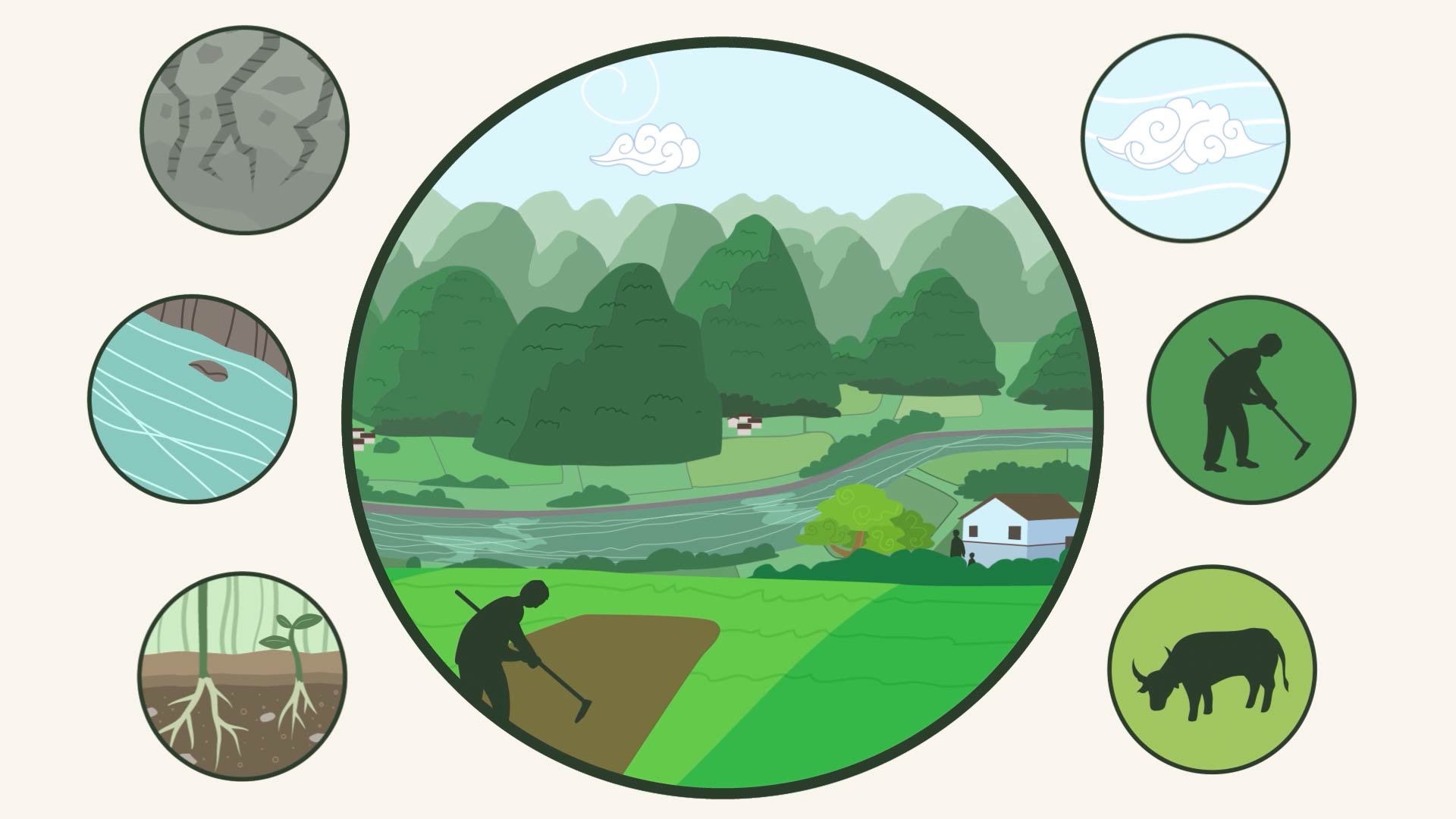
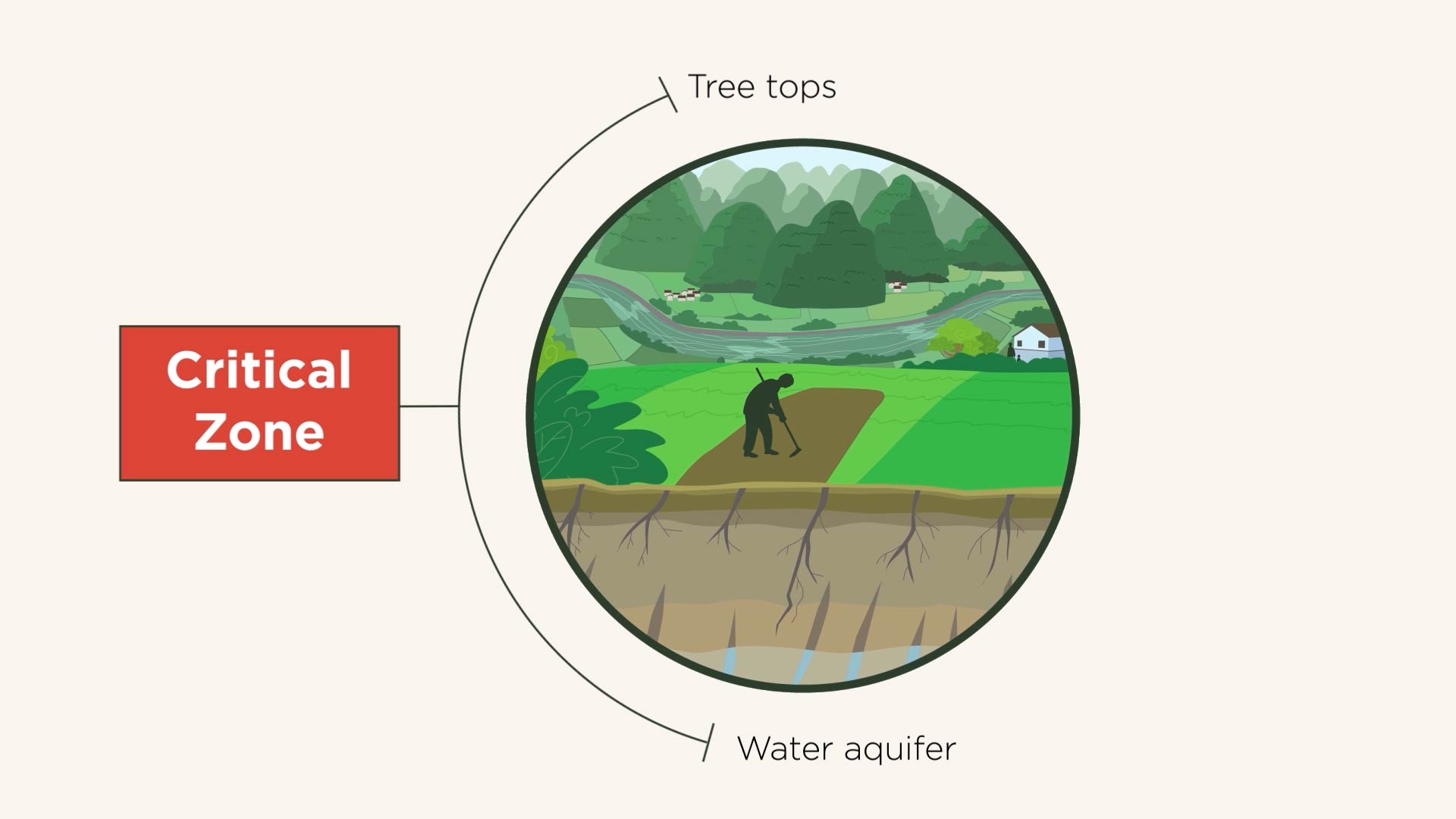
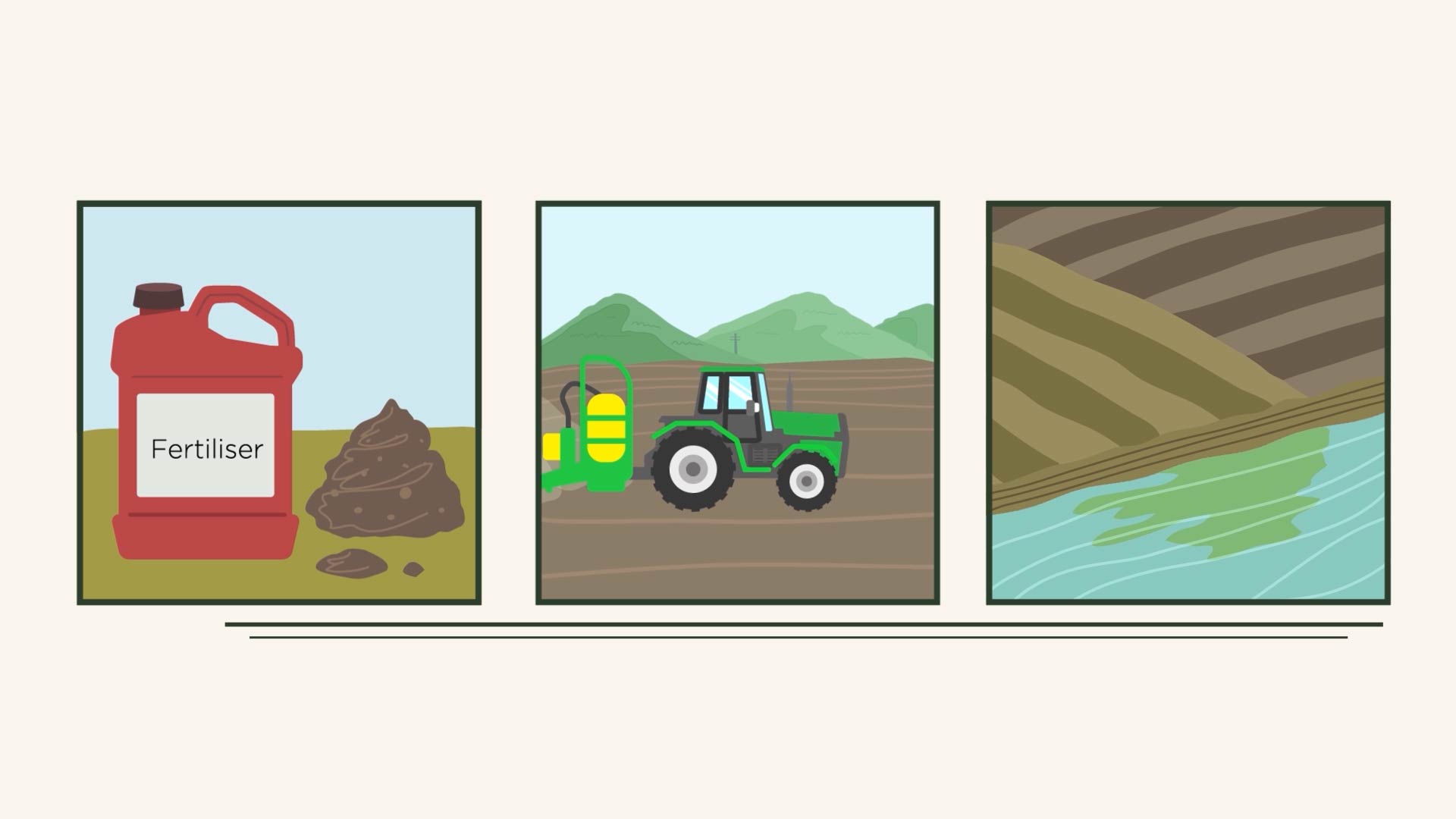
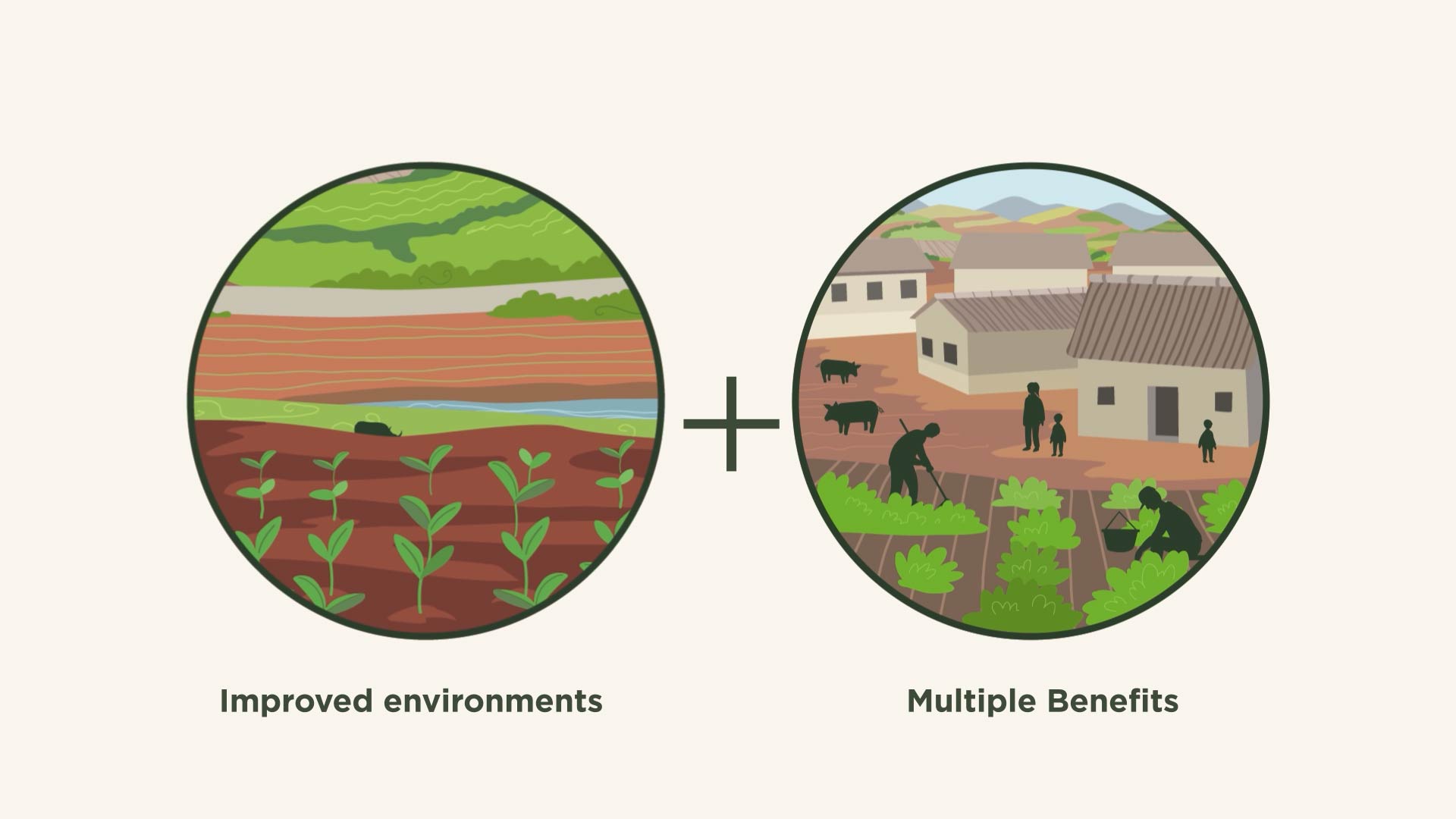
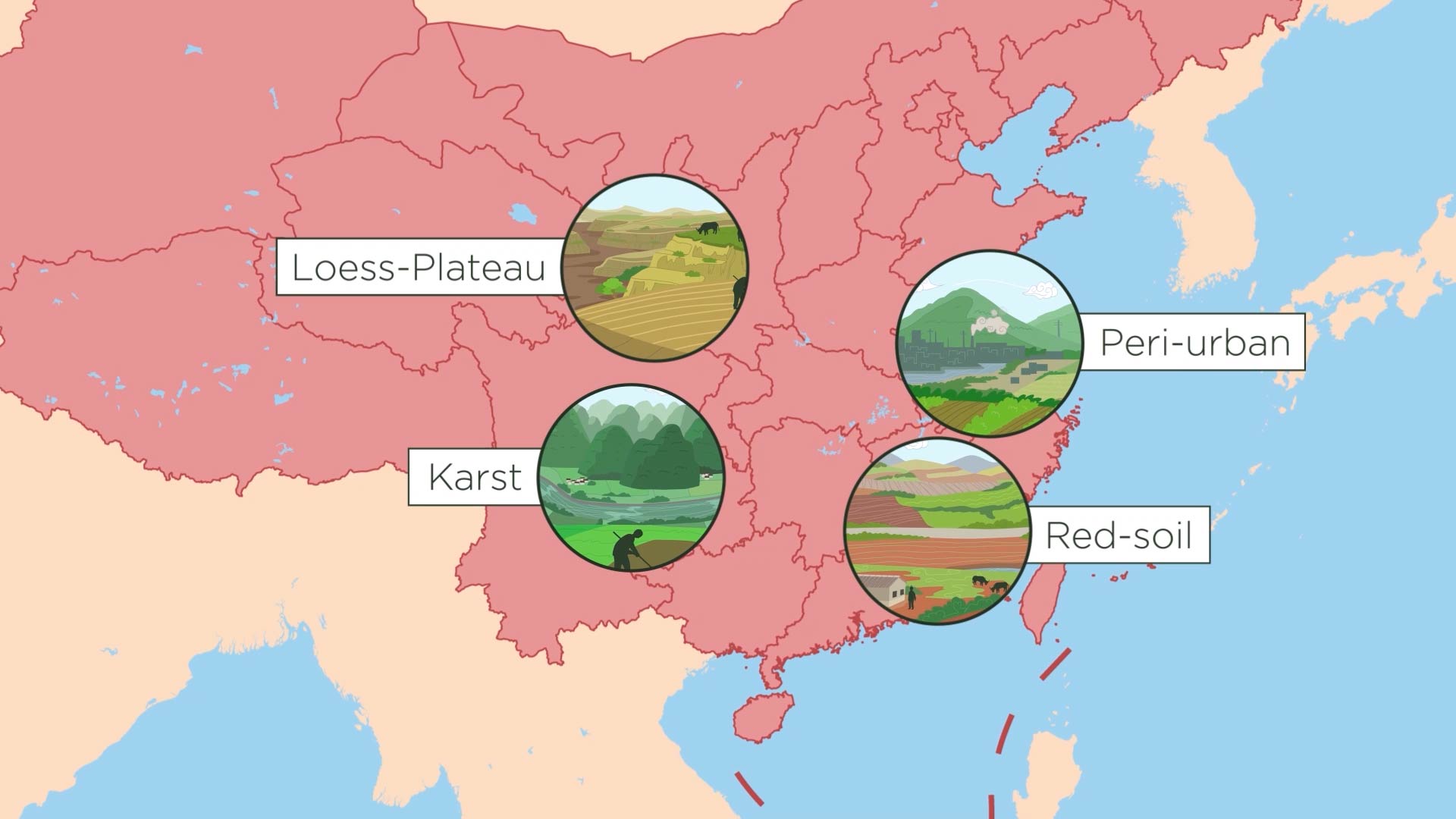
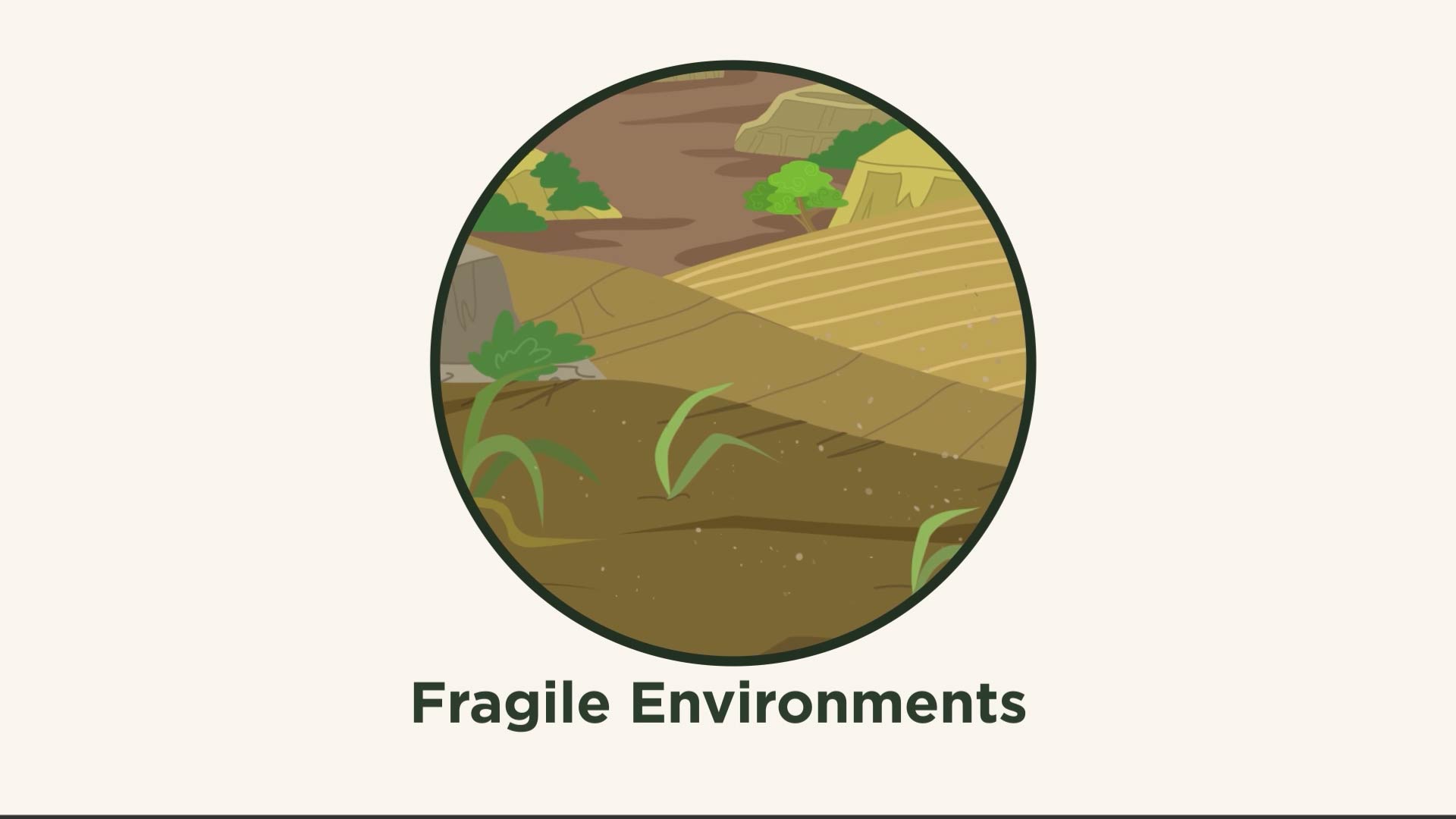
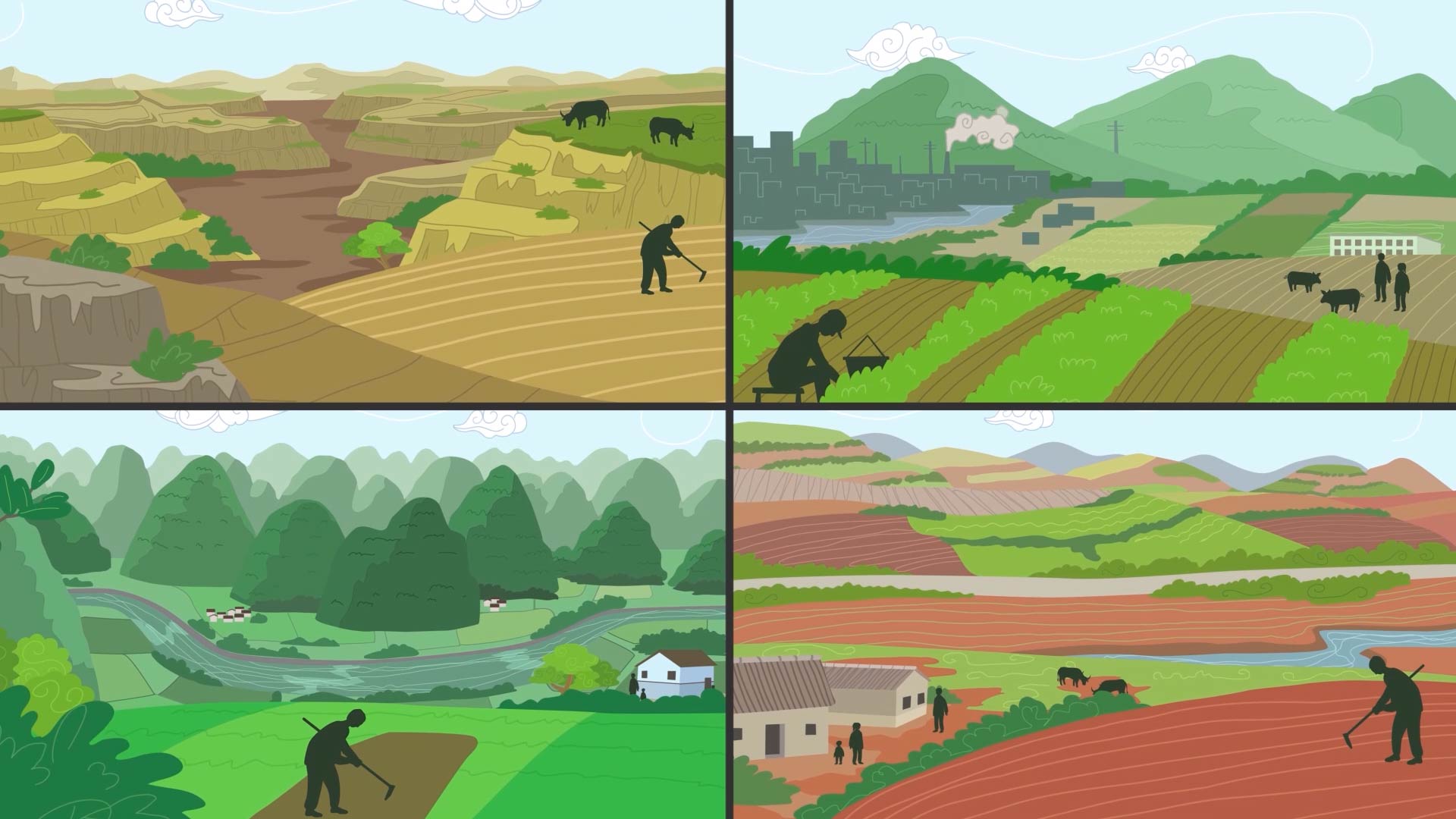
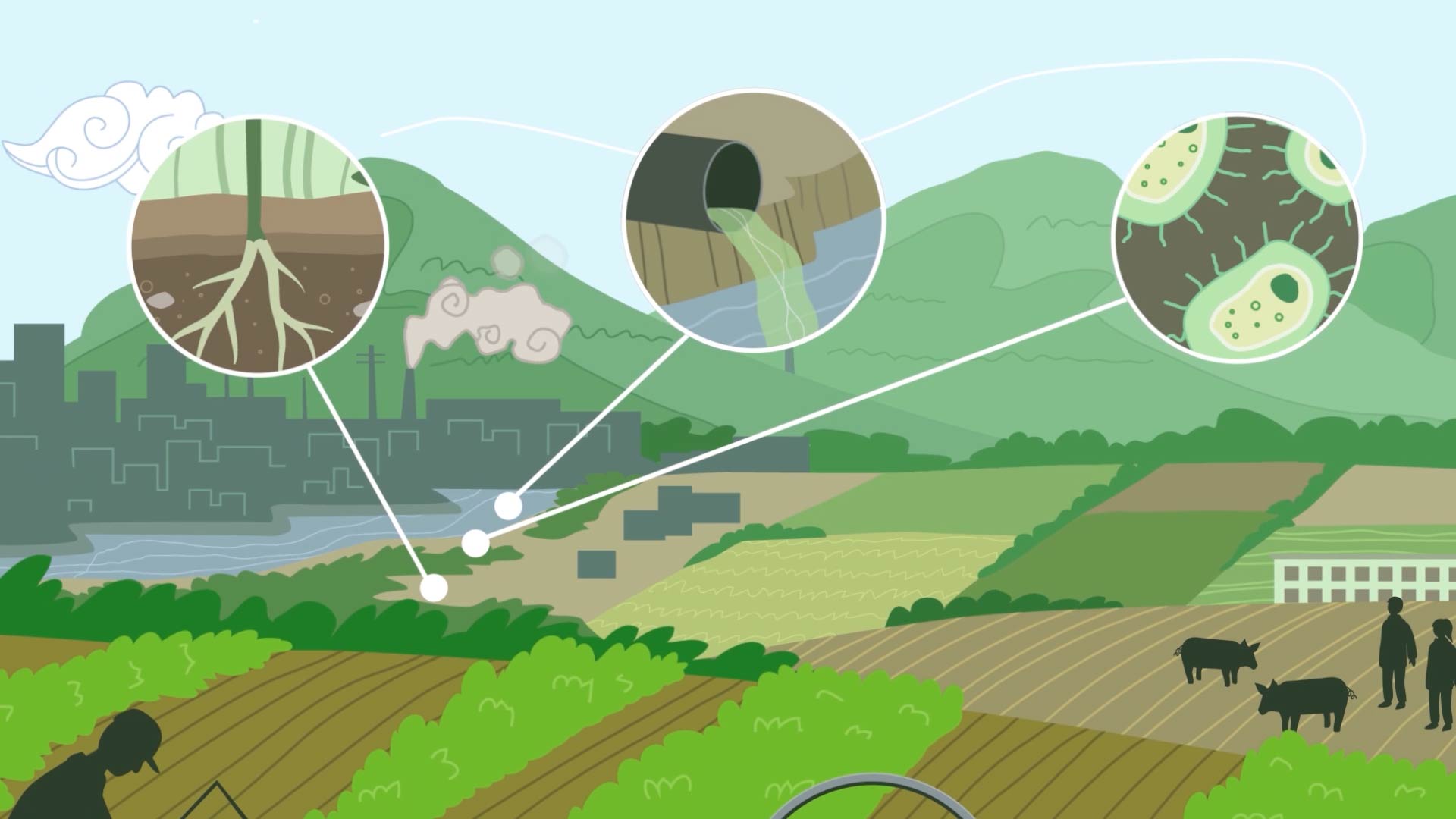
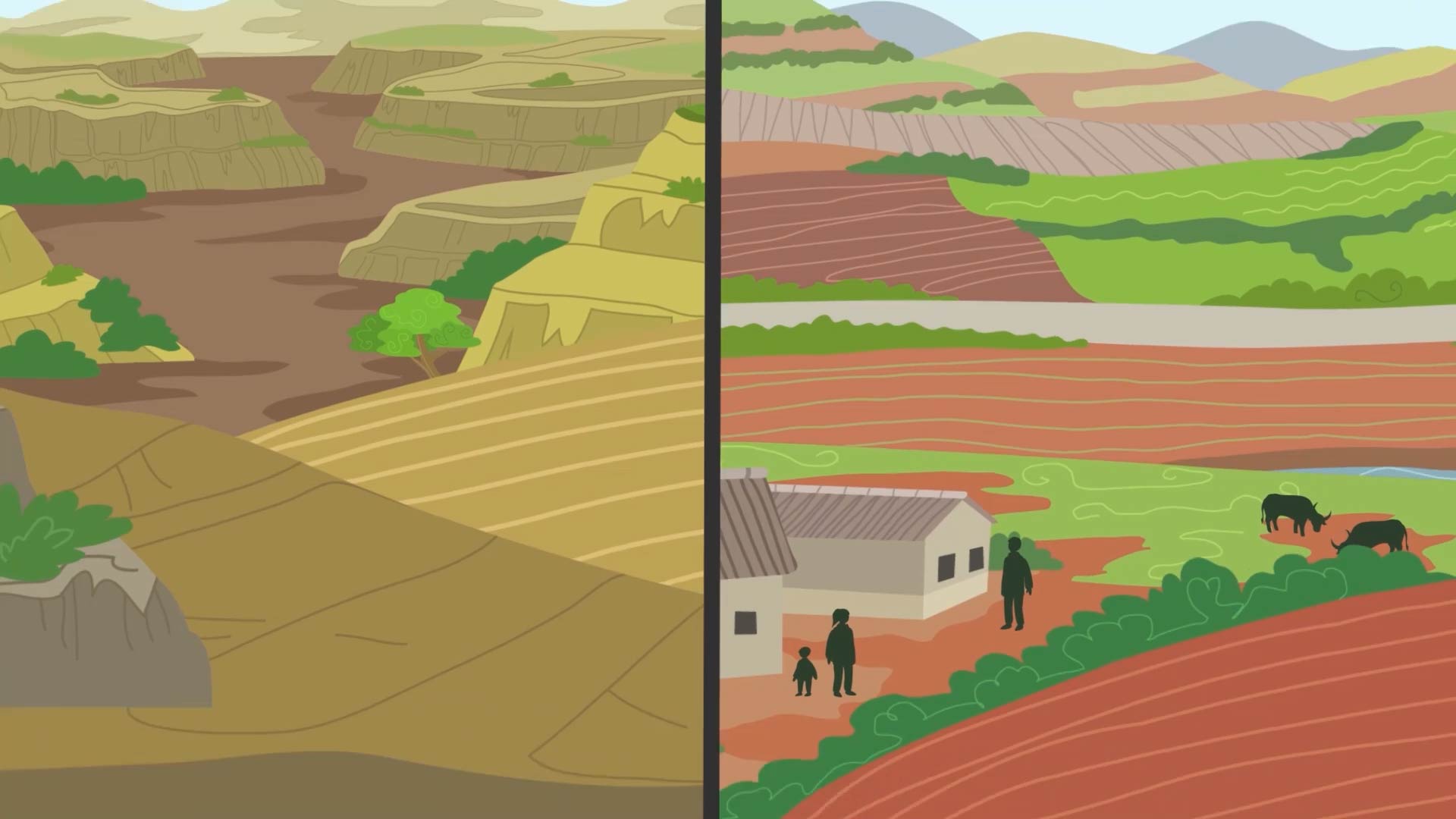
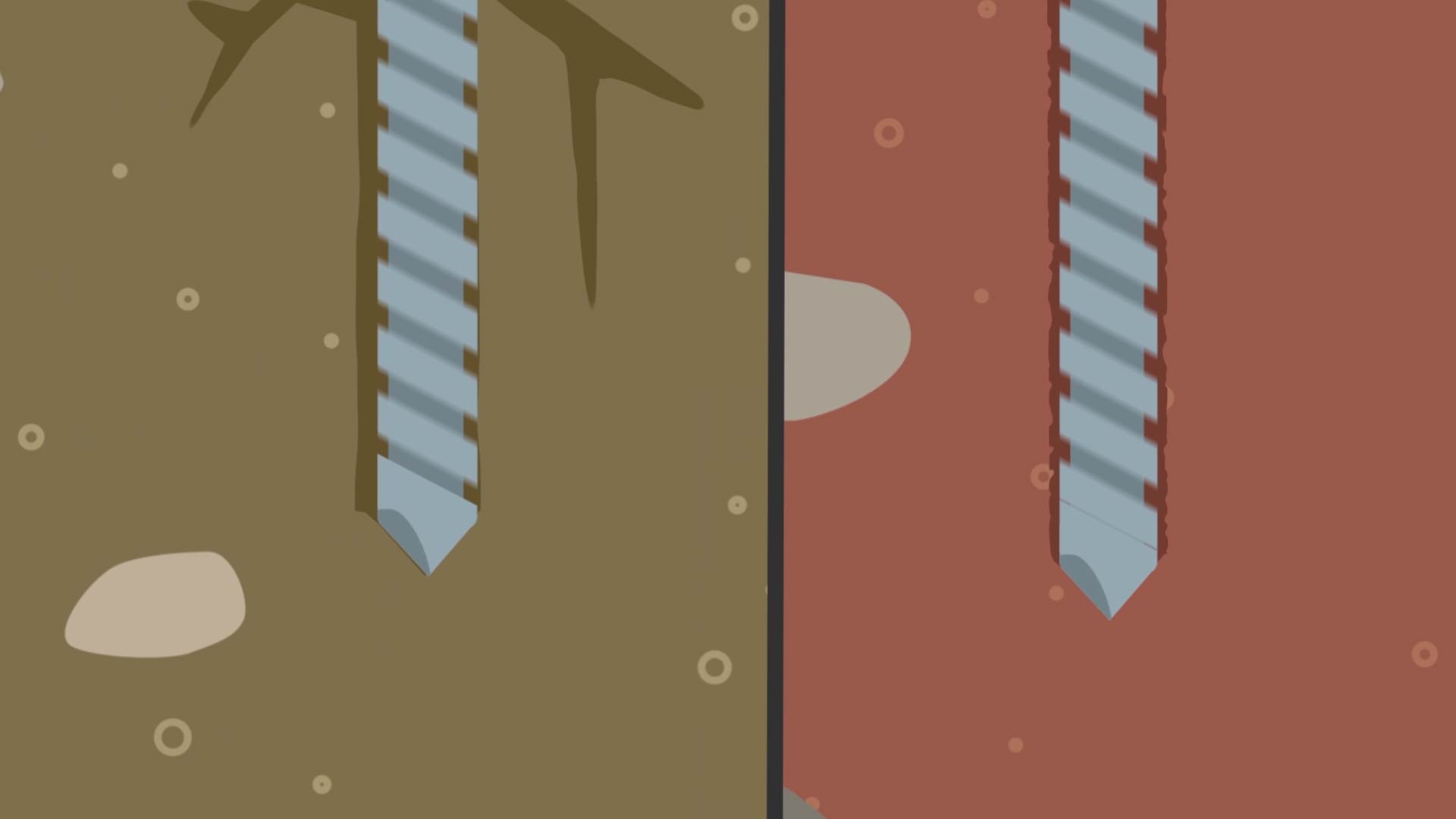
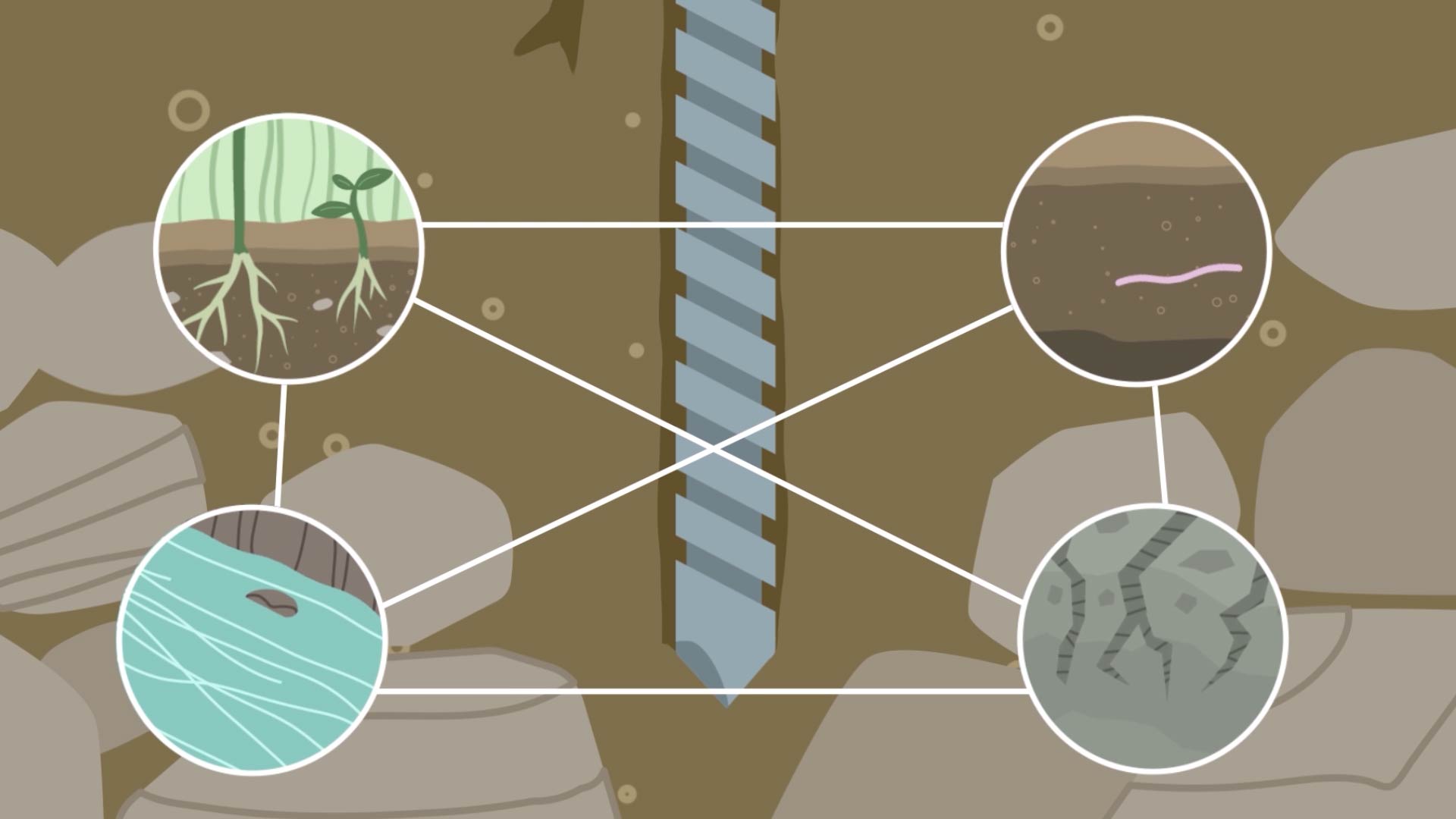
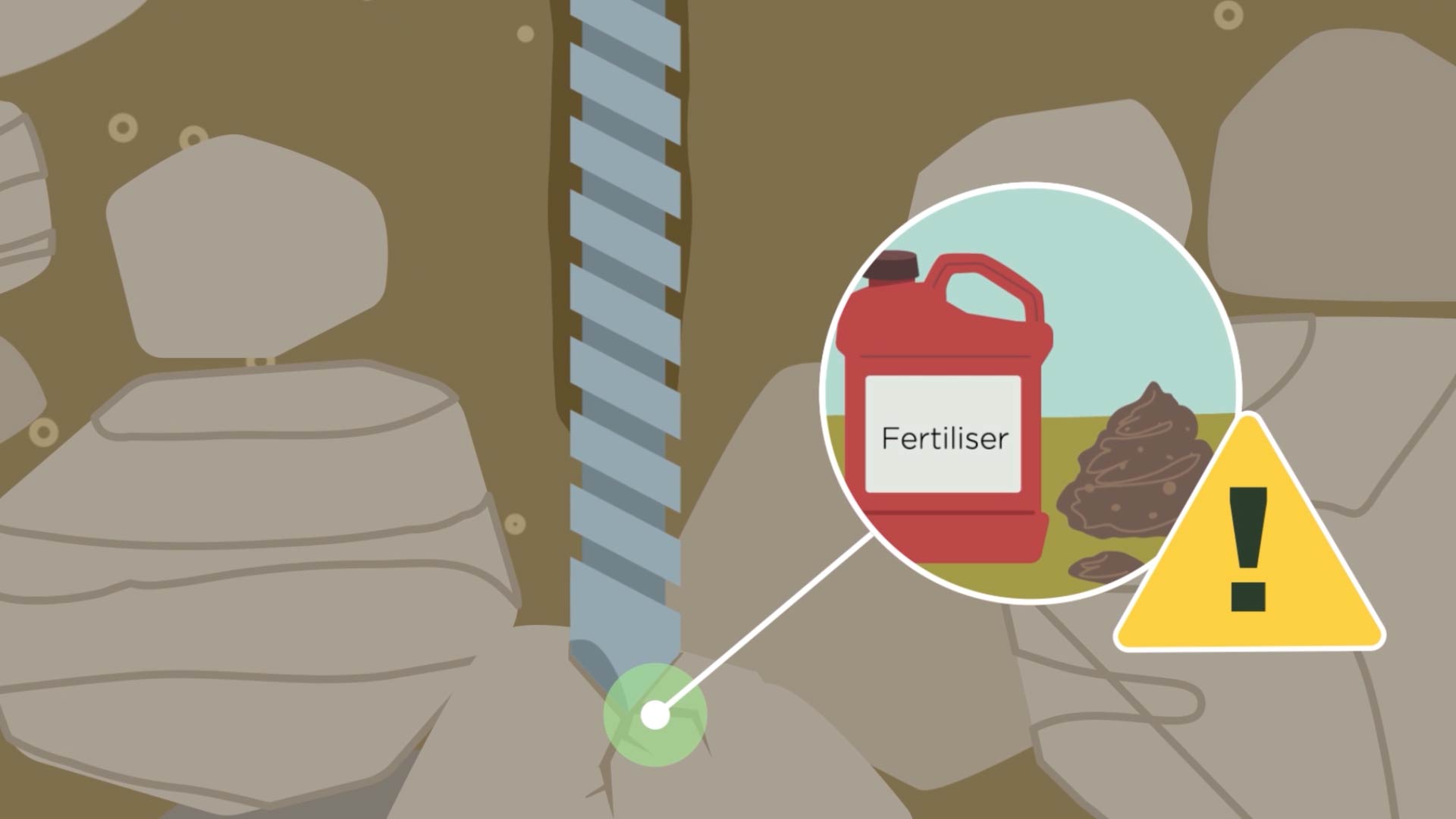
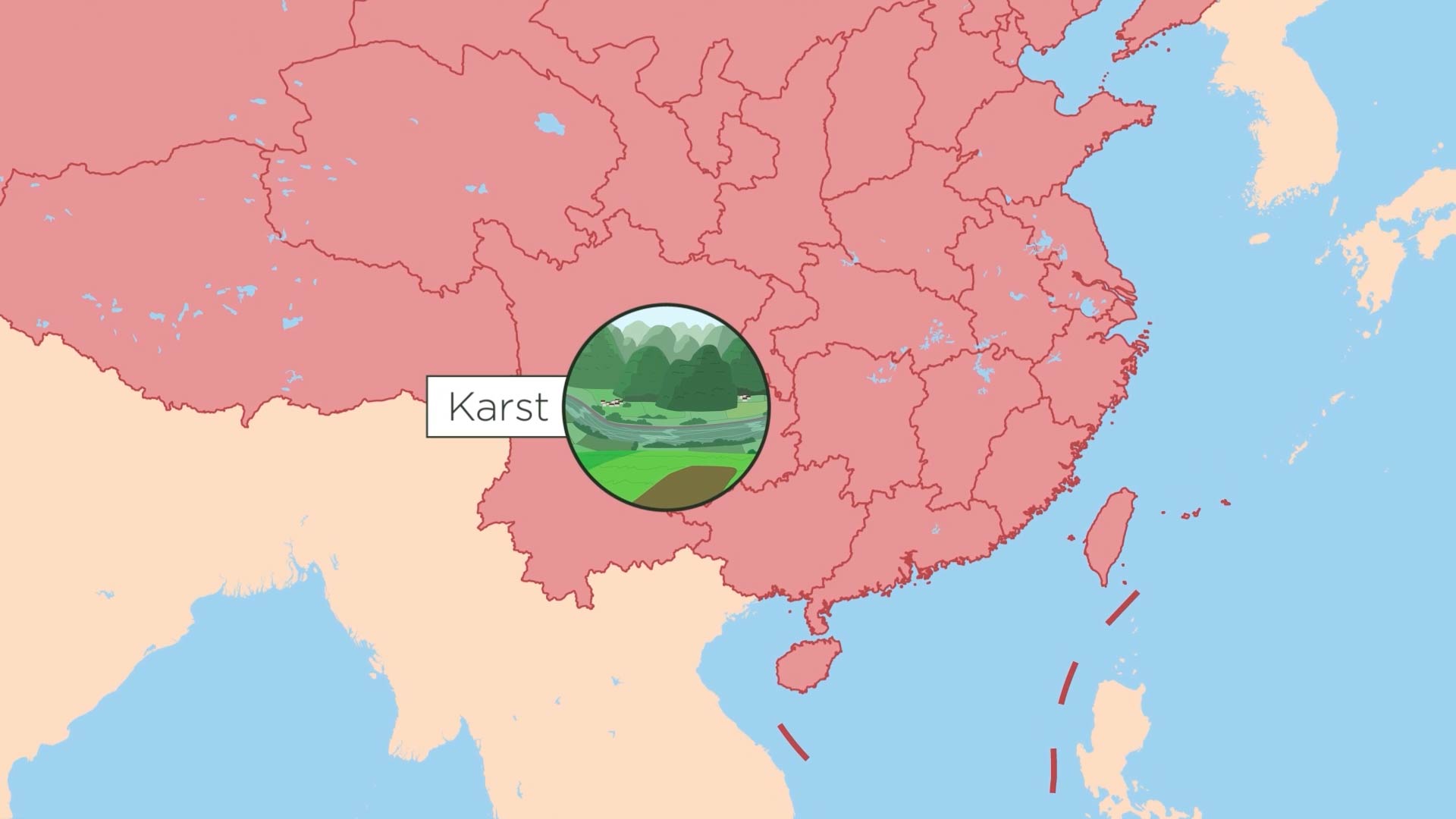
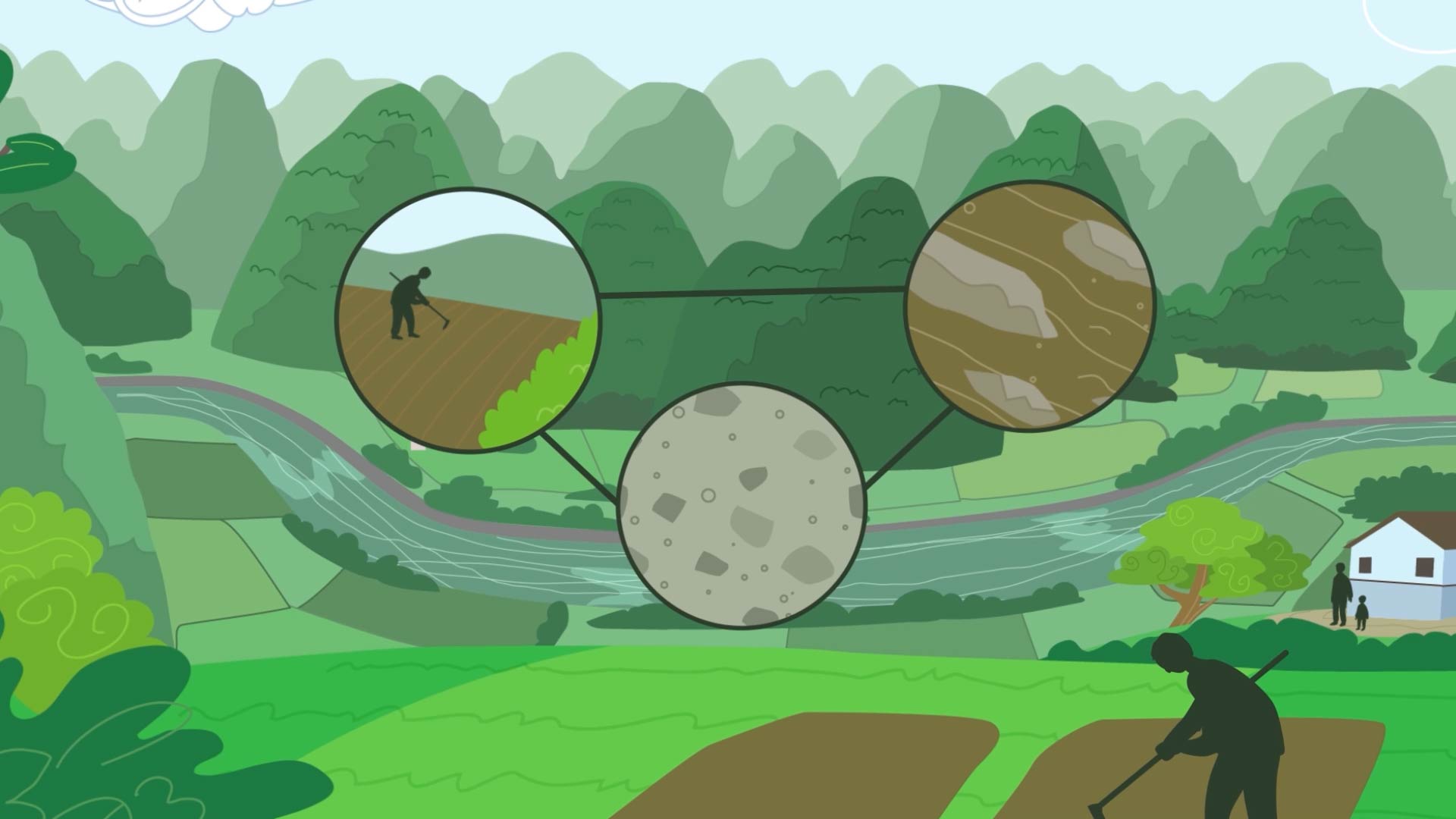
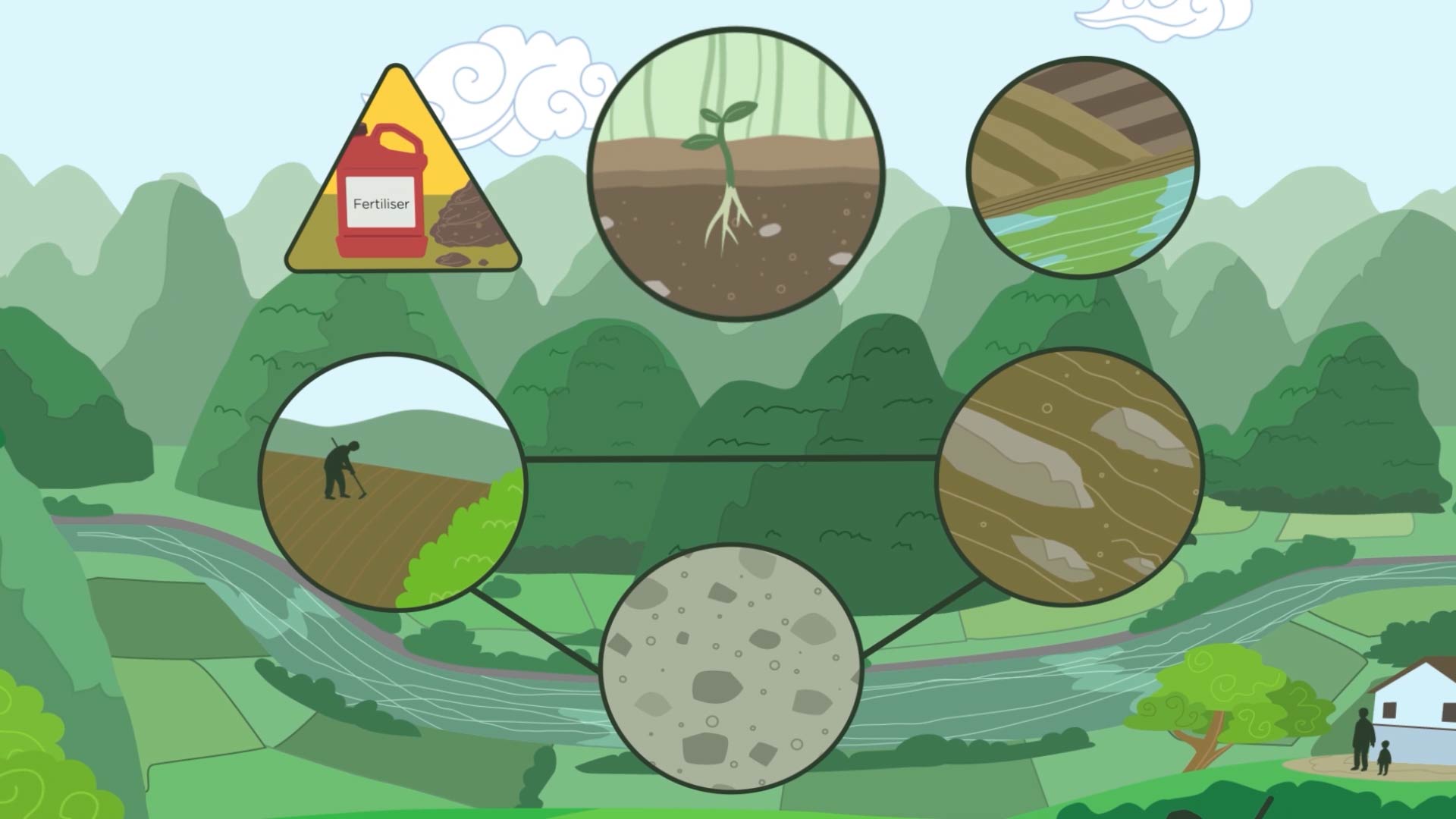
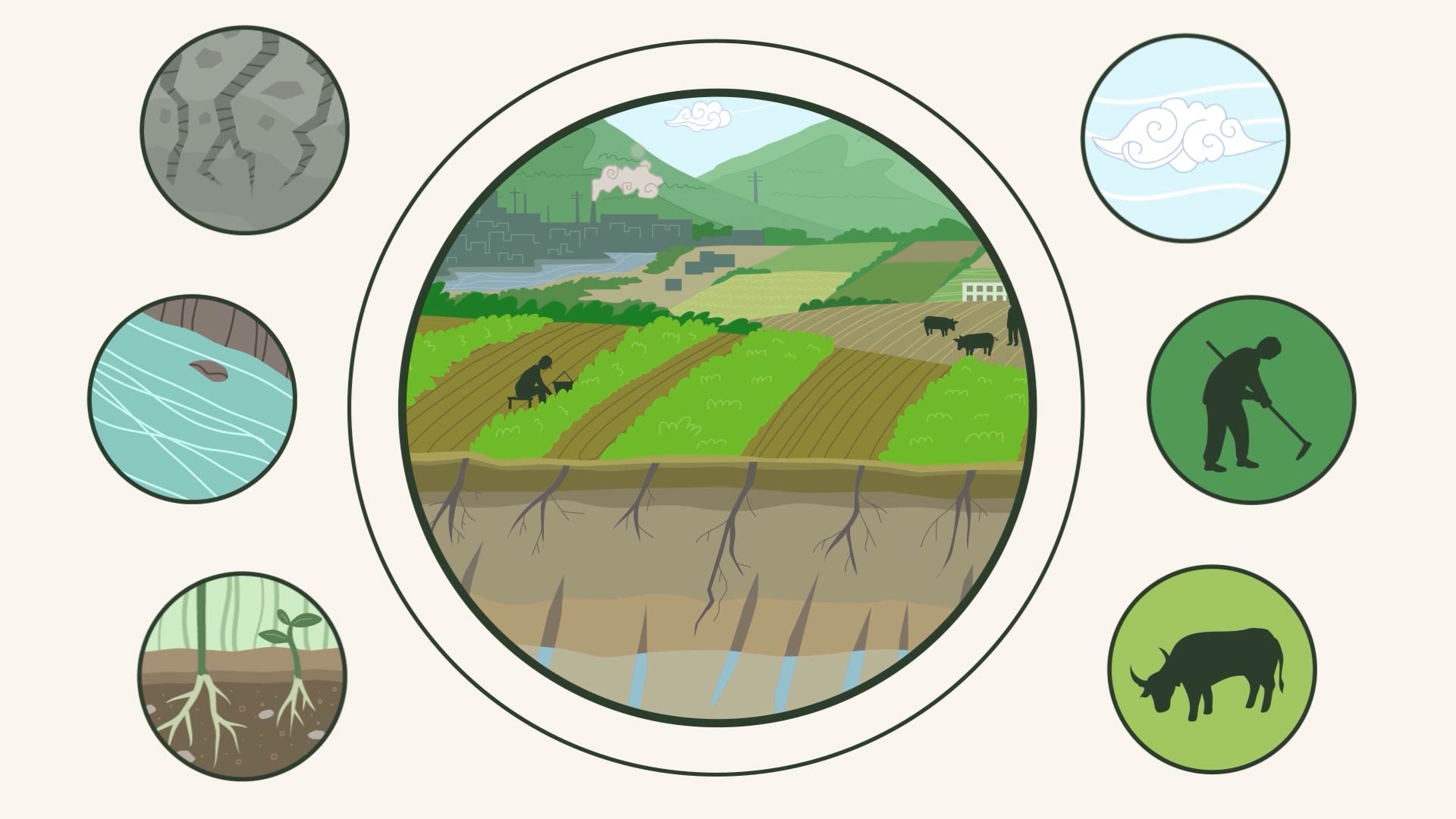
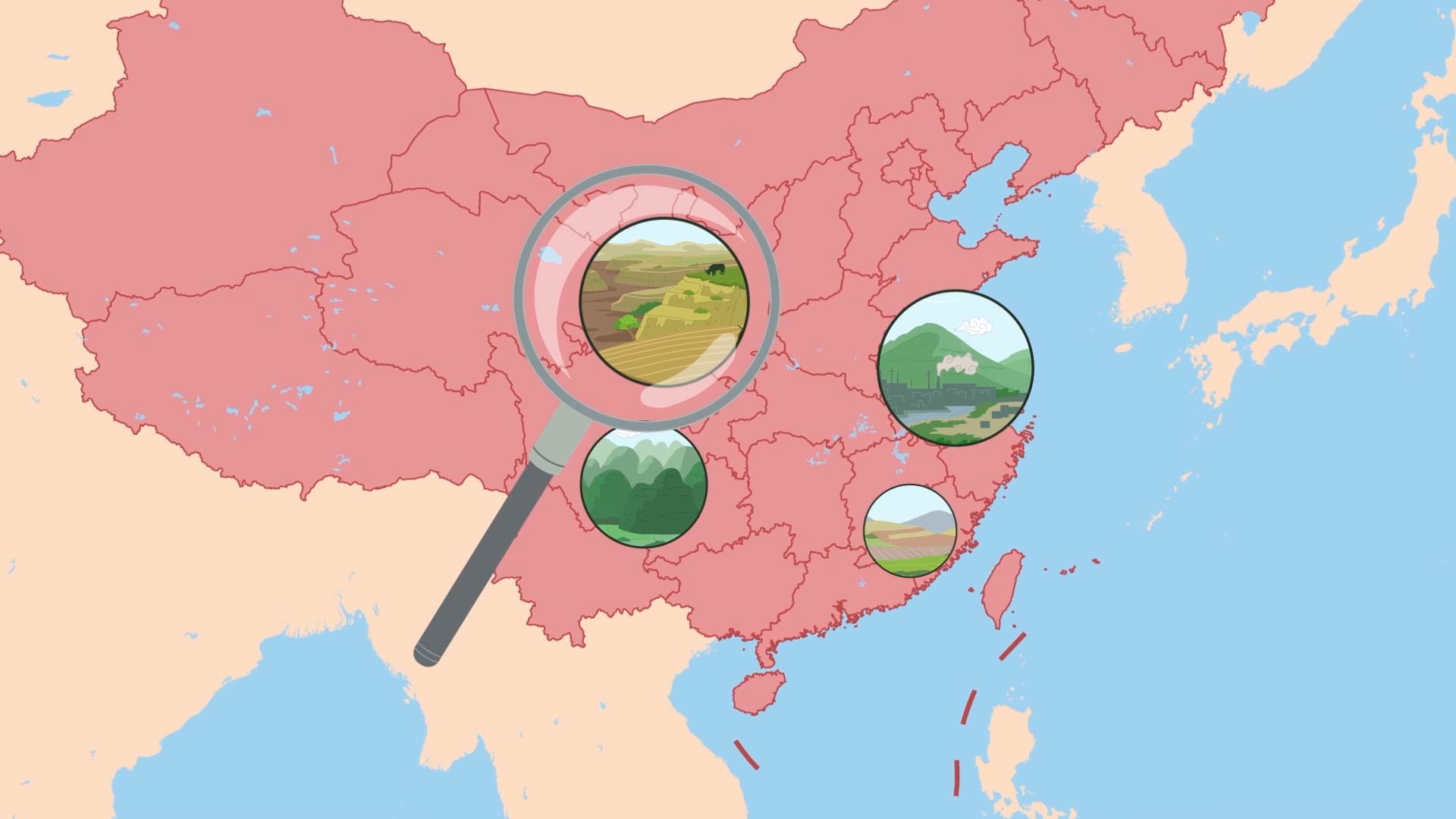
The UK-China CZO studies the "critical zone" - the layer of the earth's surface from the bottom of the water aquifer to the top of the tree canopy where rock, water, soil, air and living things interact. In its first phase, the project ran five research programmes at critical zone observatories in Guizhou, Jiangxi, Ningbo and Shaanxi, uncovering findings such as decades' worth of accumulated nitrogen deep beneath the Loess Plateau and significant nitrogen loss through karst limestone in southwest China.
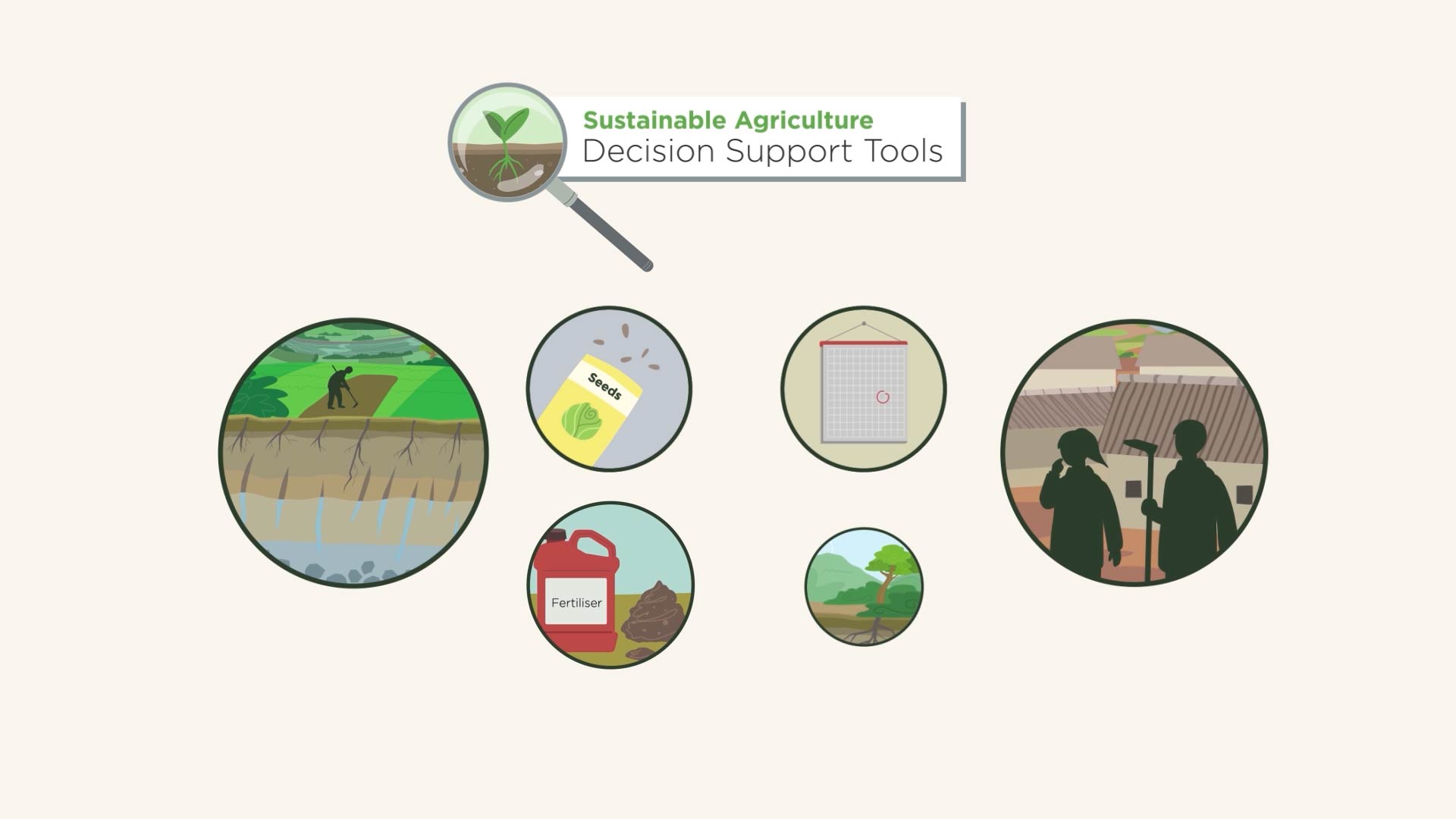
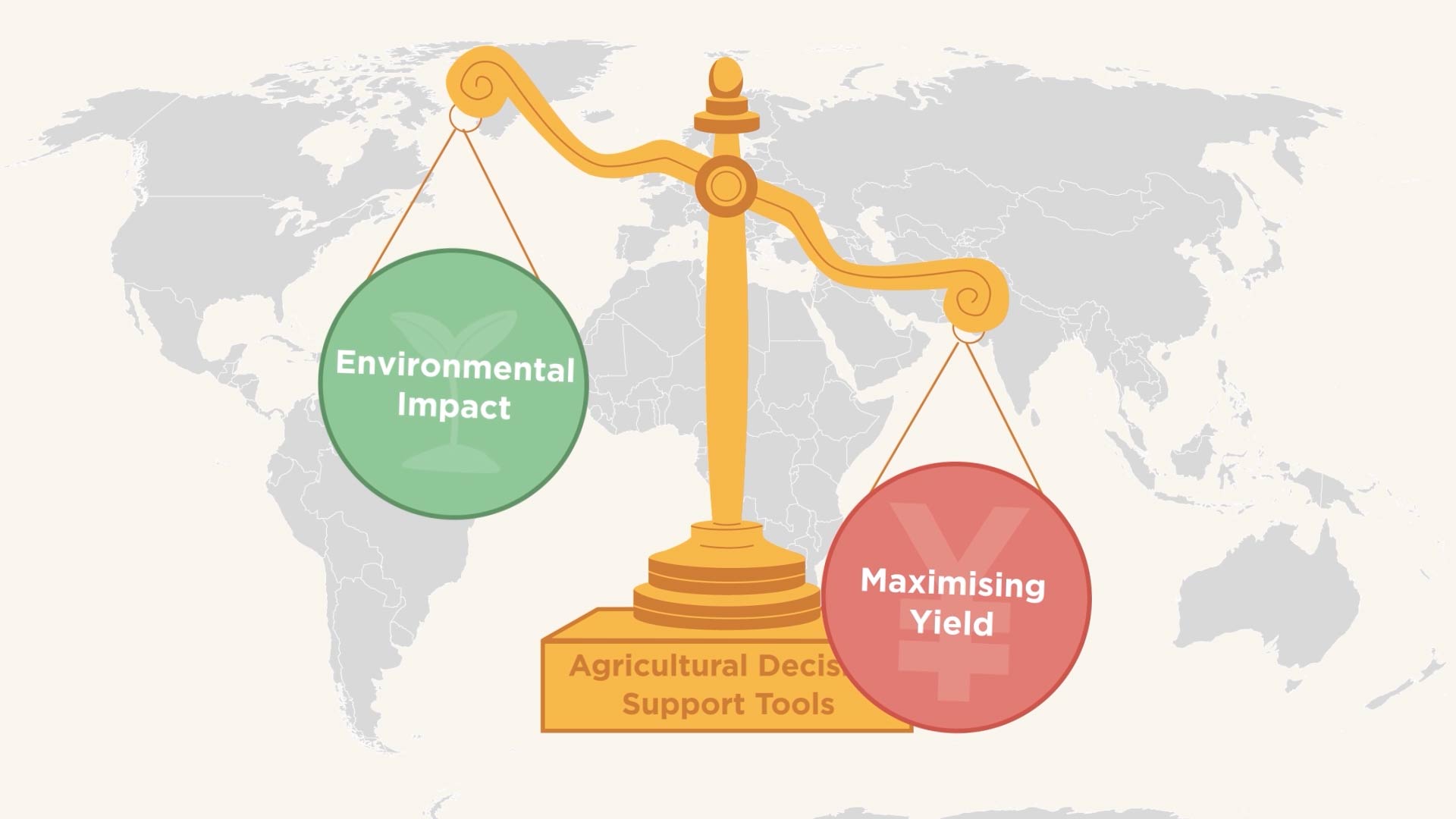
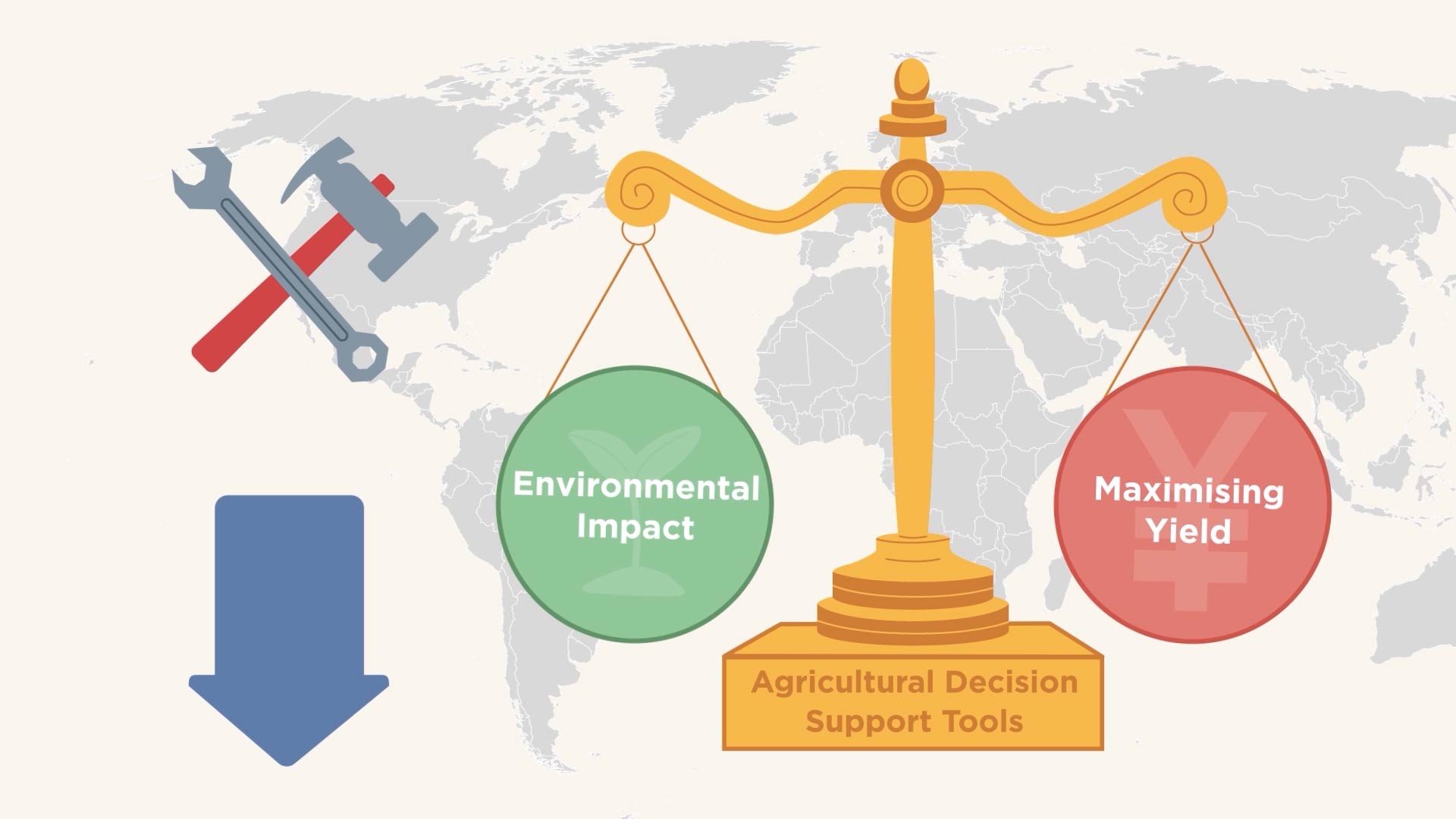
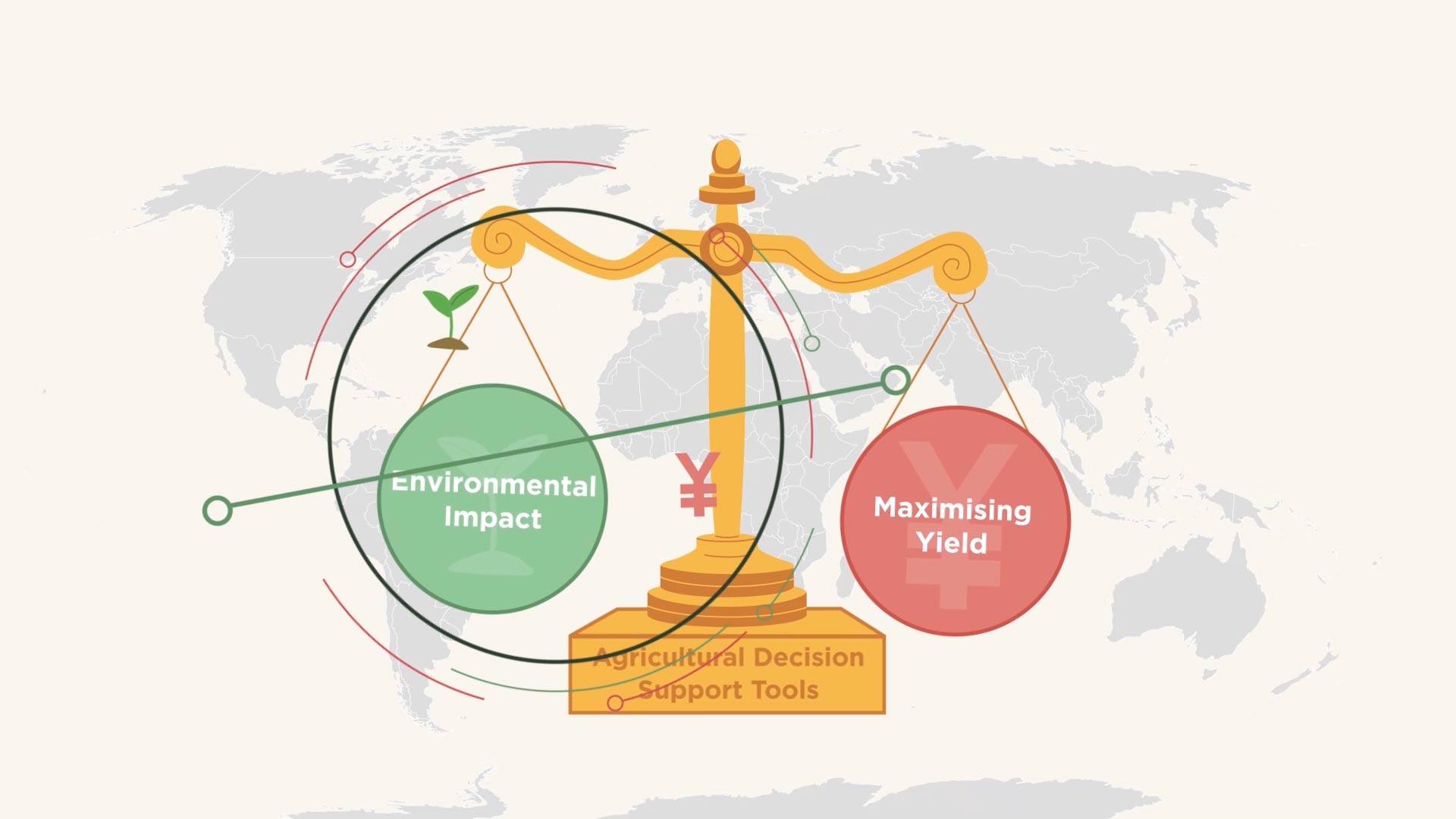
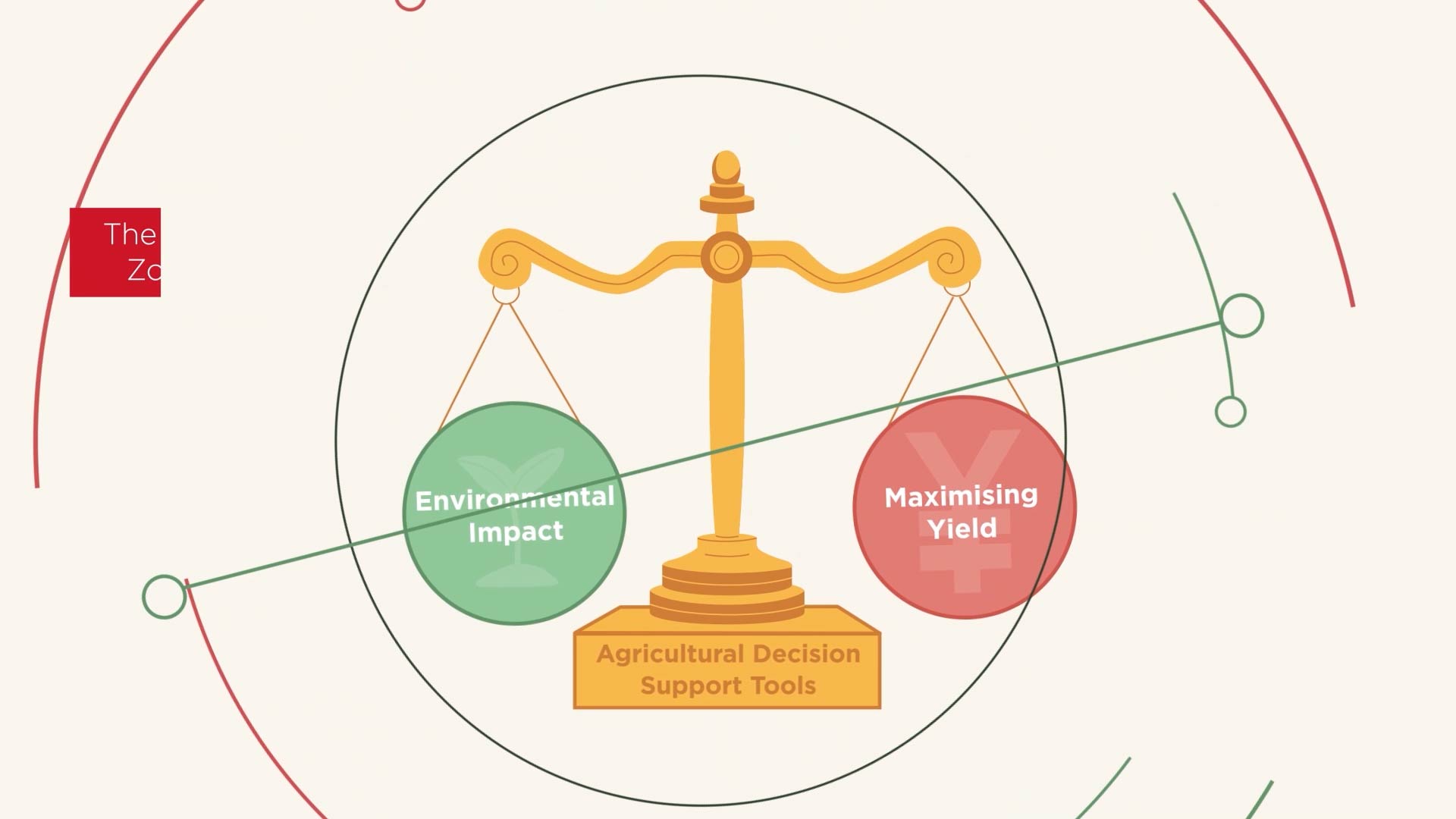
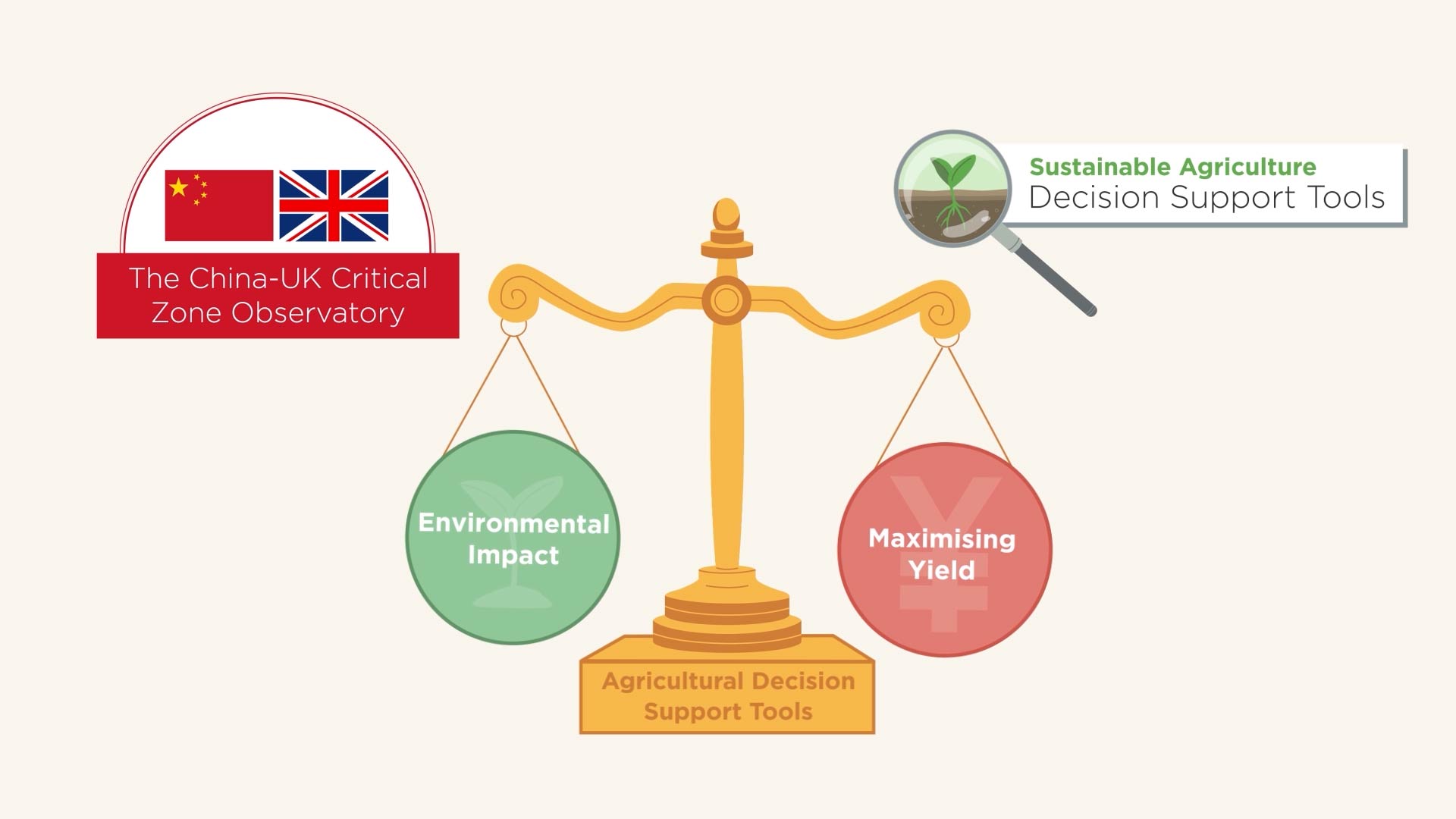
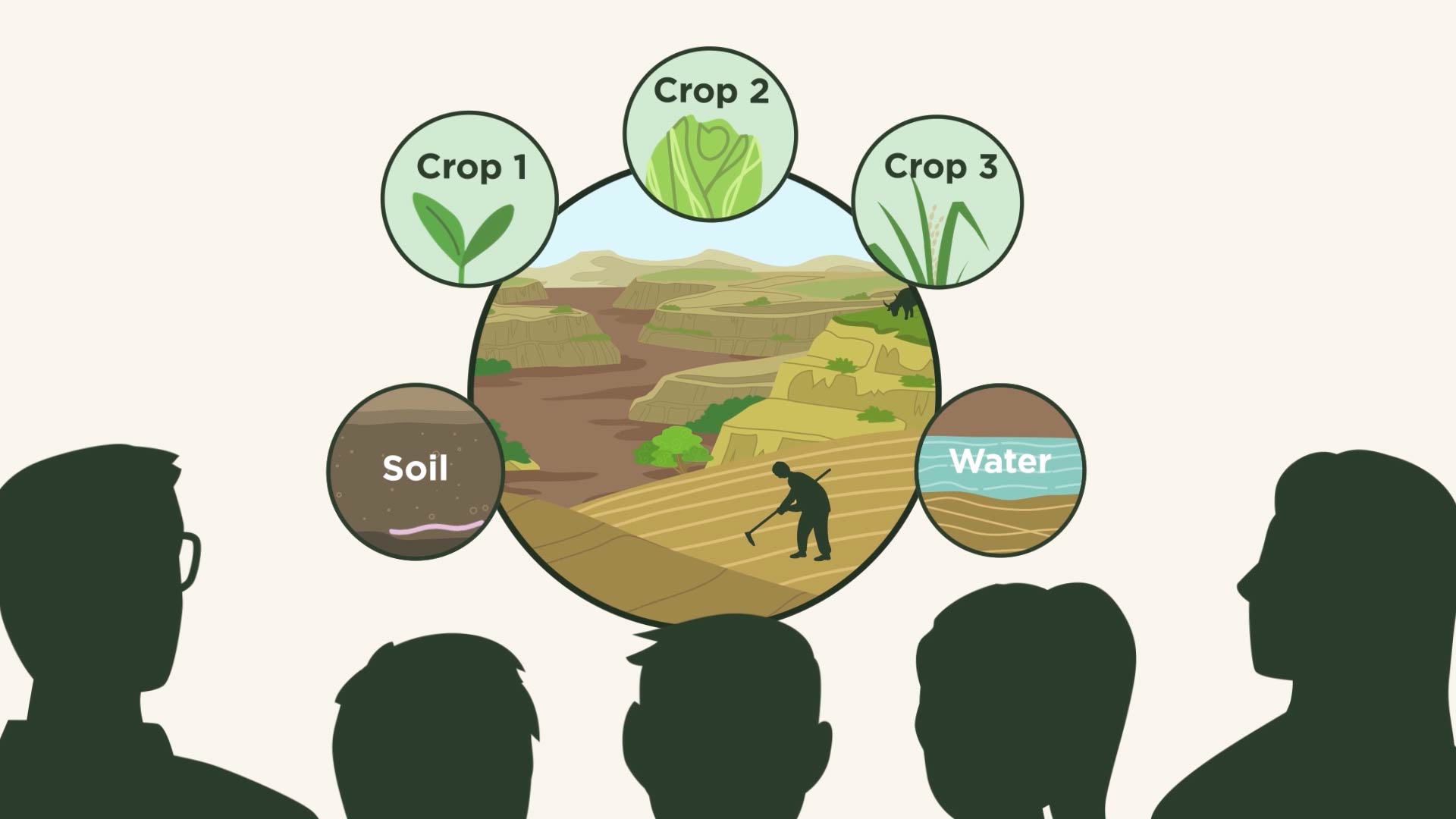
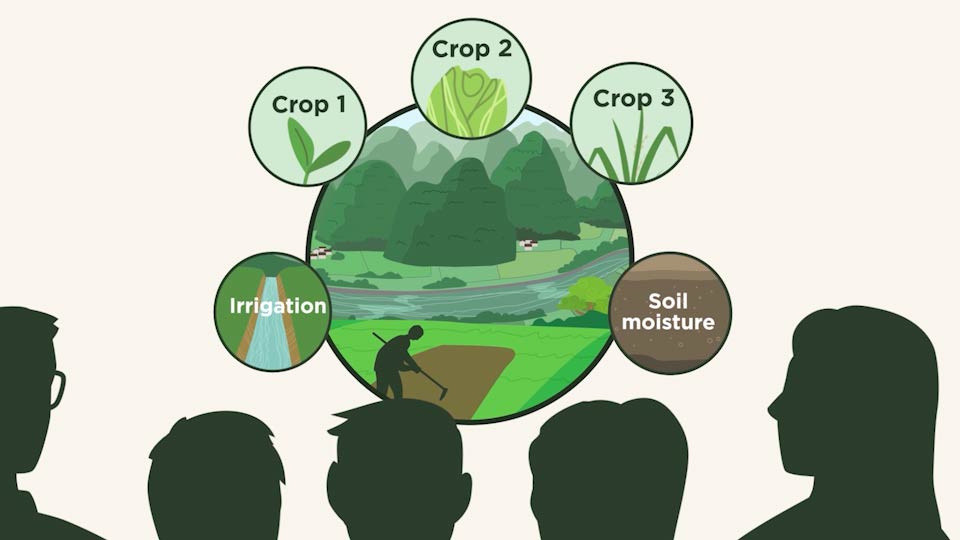
In its second phase, researchers are turning that science into decision support tools: models and apps to help guide decisions such as what to plant, where, and how much fertiliser to apply, built to weigh environmental impact alongside yield.
The animation was commissioned to carry this research to the specific mix of people who could put it to use in China.
Target Audiences
Chinese natural and social scientists, working in food security, environmental protection and land use.
Chinese policy-makers, from national through to county level.
Chinese agricultural industry stakeholders, including farming, seed, fertiliser and agri-tech companies.
Creative Process
Steff Lee, an animator and illustrator with family ties to China and prior experience creating animations for Chinese audiences, joined as art director and communication consultant to ensure the visual style, pacing and tone would genuinely resonate with viewers in China.
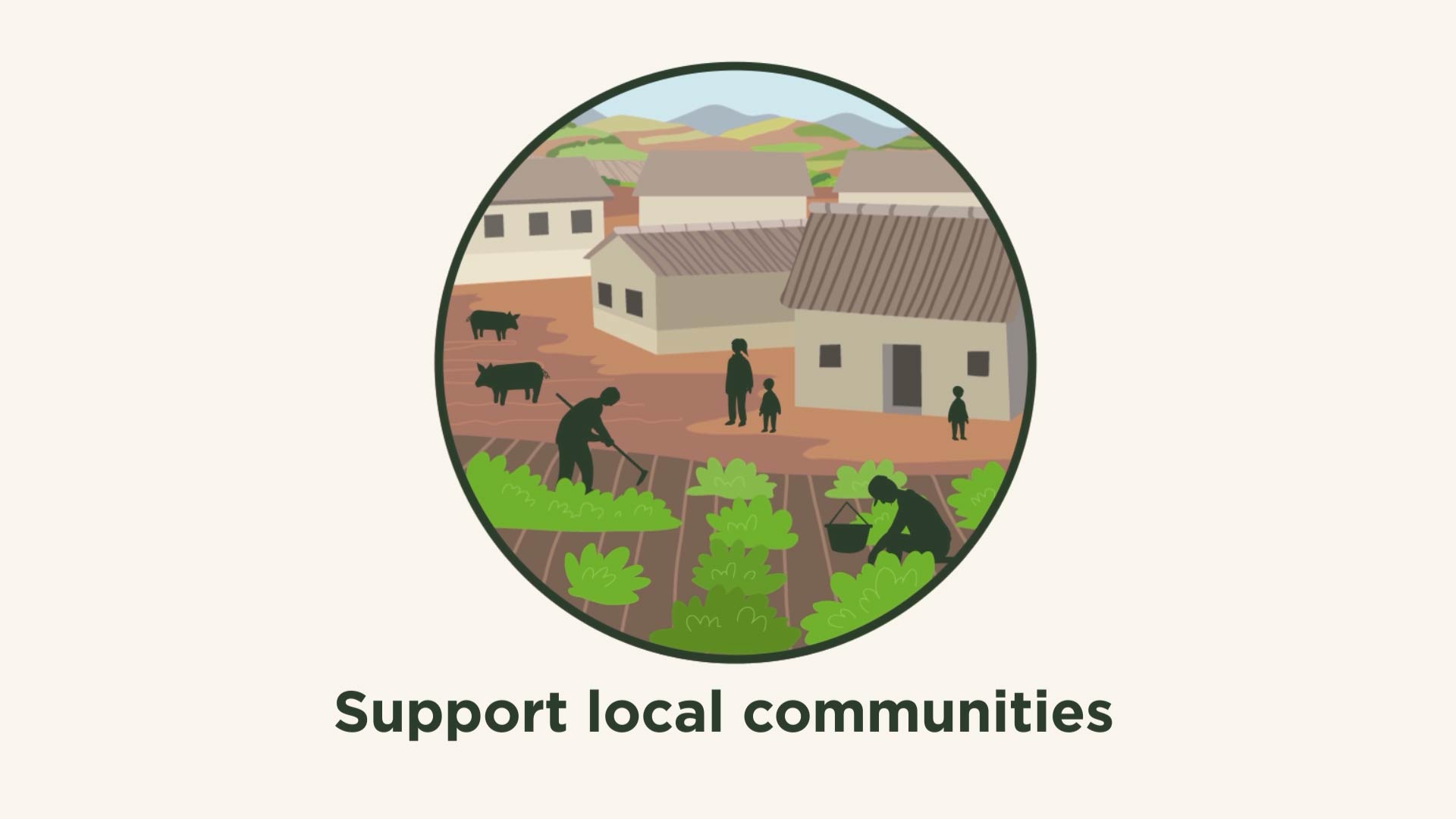
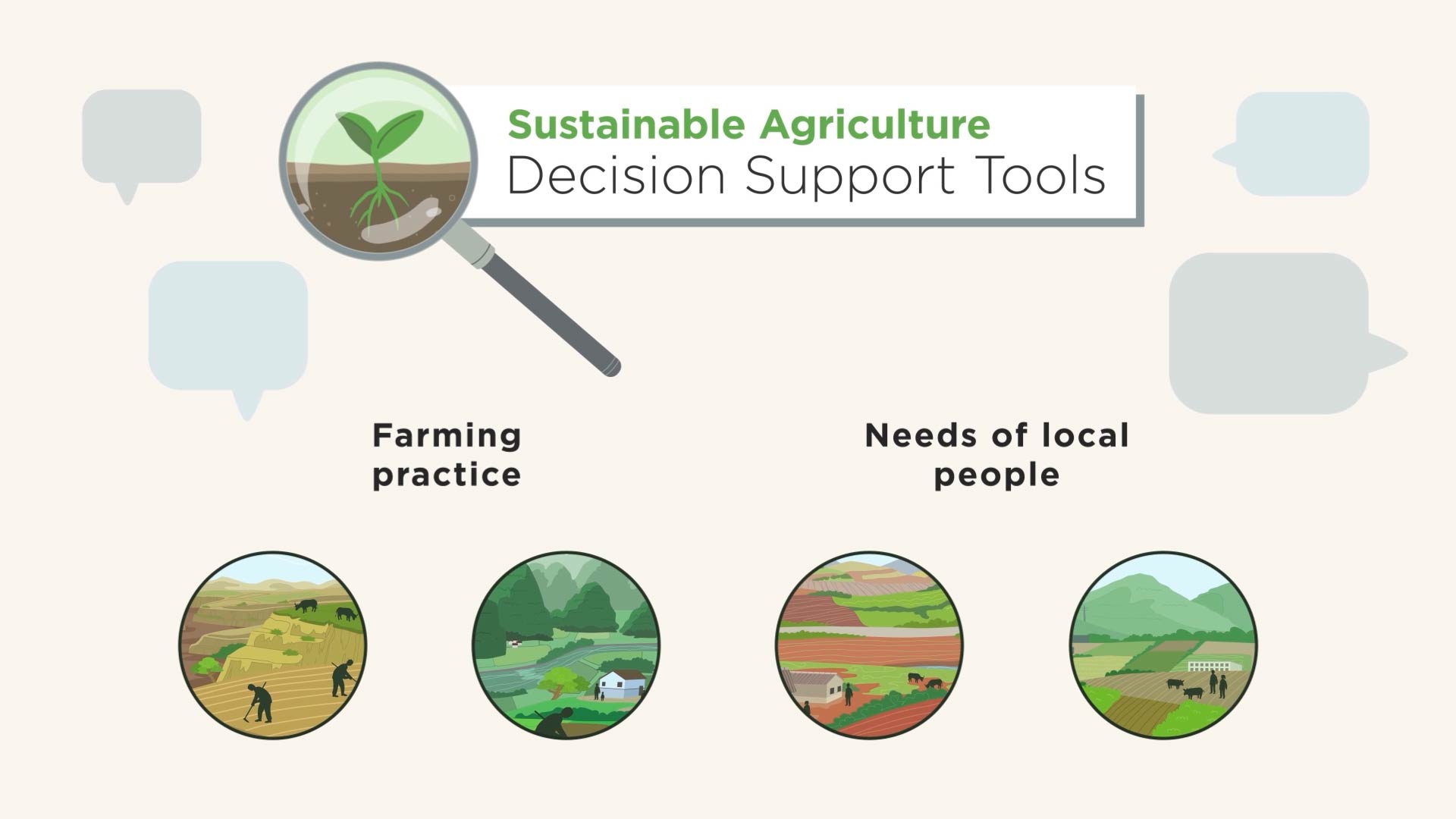
The script moves from the underlying concept of the critical zone as a single interconnected system, through specific regional findings from Ningbo, Jiangxi, Shaanxi/Ningxia and Guizhou, and on to the practical outcome: decision support tools built to weigh yield, environmental impact and the needs of local farming communities together, rather than treating yield as the only measure of success. Production followed a full six-stage process, from mood-boards and sketched storyboards through to illustrated storyboards, animation, and final sound and music mixing, with review points built in at every stage to keep the science accurate as the visuals evolved.